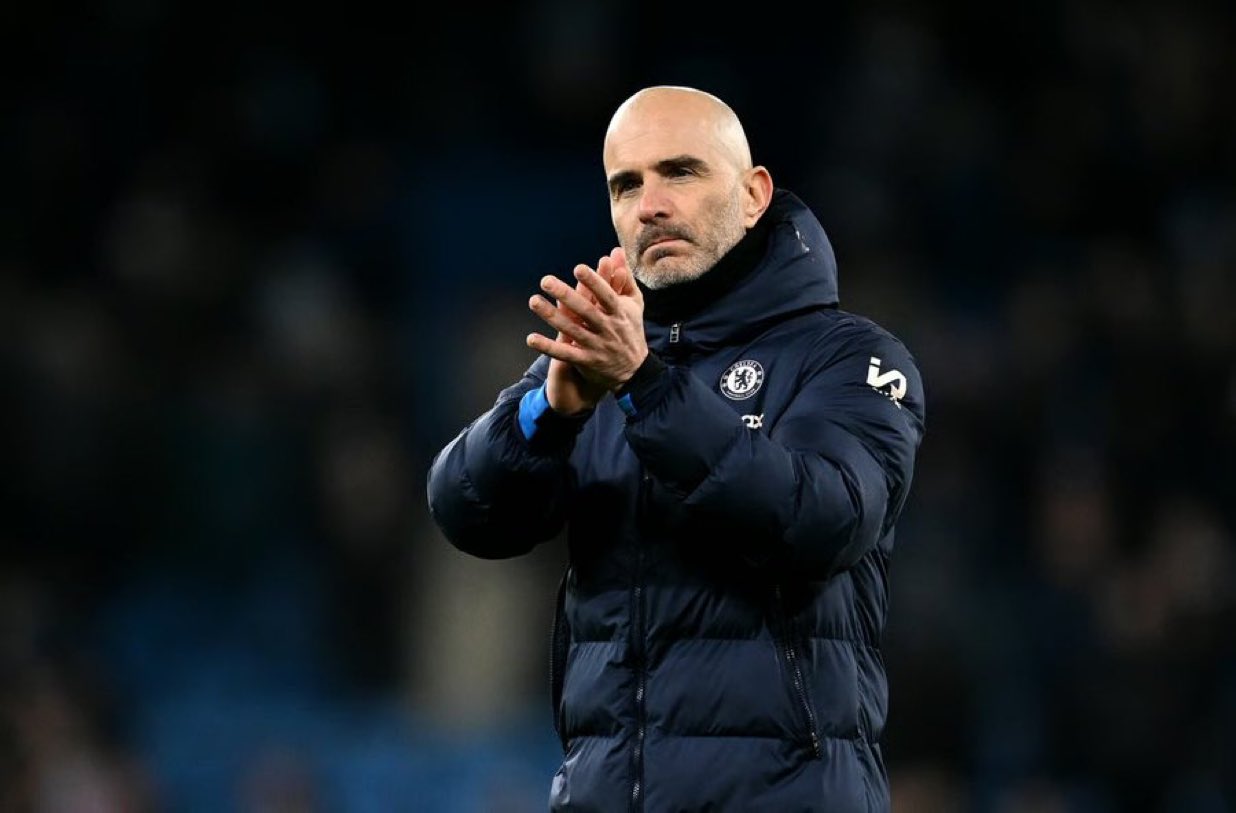
On the 1st of January 2026, Chelsea made the unexpected decision to part ways with head coach Enzo Maresca after just 18 months in charge.
The timing of the announcement came as a surprise to many, especially given the club’s previous successes under the Italian — but the move followed a series of unfortunate events that led to growing unrest within the club.
Maresca’s tenure had begun with promise. The 45-year-old was appointed in the summer of 2024 following the departure of Mauricio Pochettino.
Initially, he made a significant impact, leading Chelsea to success in the UEFA Conference League and the FIFA Club World Cup, achievements that were celebrated as milestones in the club’s recent history.
However, as 2025 wore on, cracks began to appear.
FootballOrbit analyses the major factors that saw the Blues part ways with their manager.
Poor form and dropped points
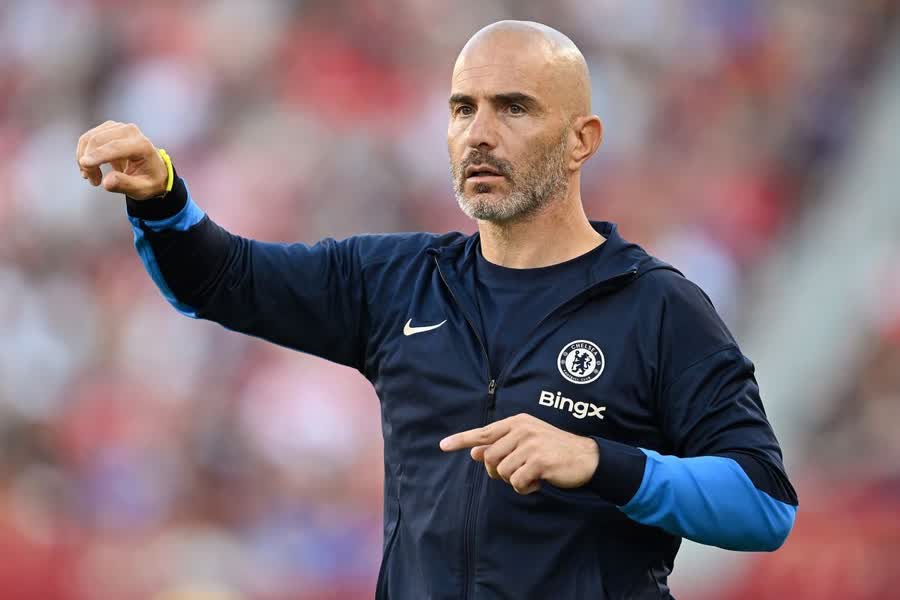
A series of poor results in the Premier League during the latter part of the year exposed underlying issues.
By the time Chelsea drew 2-2 with Bournemouth on December 30, the team had only one win in their last seven league matches.
More concerning were the points dropped from winning positions — 20 in total across the season — leaving Chelsea’s top-four aspirations hanging by a thread. Forget about winning the title!
From being among the early title contenders, the Blues had fallen 15 points behind leaders Arsenal, with questions over their mental fortitude and consistency coming to the forefront.
Internal disagreements
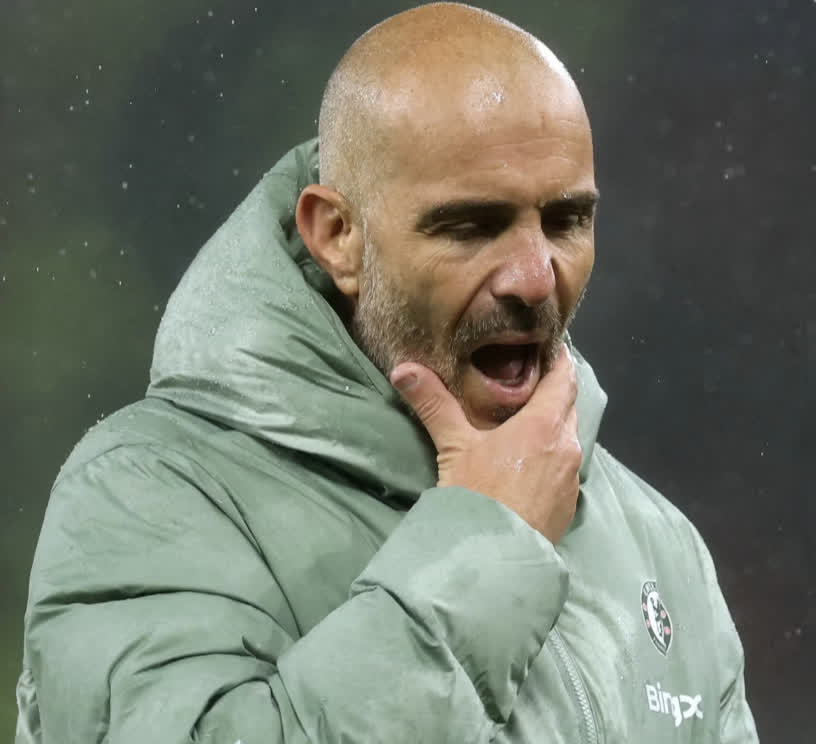
It wasn’t just the on-field results that caused alarm.
Behind the scenes, tensions were bubbling between Maresca and the club’s medical department.
One of the key points of contention was Maresca’s frustration over decisions regarding player workload and injury management.
However, the medical team at Chelsea had the final say in these matters, a situation that left Maresca feeling sidelined in crucial aspects of team preparation.
The Italian had hoped for more autonomy in managing his squad, but the club insisted that player welfare be overseen independently — a stance that further strained his relationship with the club’s hierarchy.
Media and leadership tussles
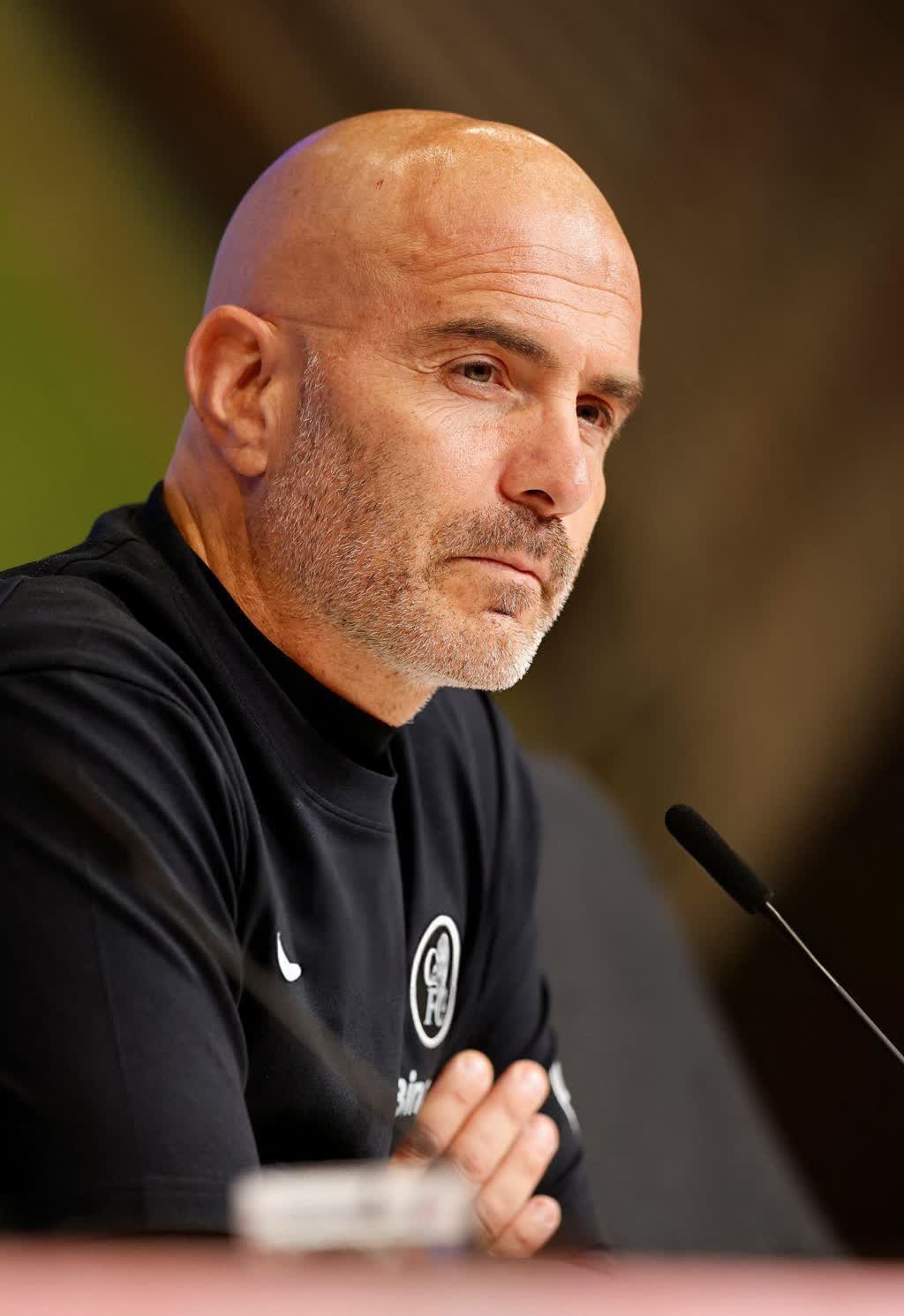
Adding to the friction was Maresca’s cryptic comments in mid-December.
After Chelsea’s hard-fought 2-0 victory over Everton, Maresca described the 48 hours leading up to the game as “the worst” of his time at Chelsea.
While he was careful not to target the supporters directly, the remark seemed to underscore a deep sense of frustration, which hinted at a lack of internal support.
While victory was enjoyed over the Toffees, a three-game winless run in the Premier League soon followed.
Maresca’s final game at the helm was a 2-2 draw with Bournemouth. Anger in the stands spilled out at the end of that contest, with the Blues being jeered from the field.
Moreso, they sit fifth in the English top-flight table heading into fixtures taking place on New Year’s Day.
Furthermore, the Italian’s subsequent absence from the post-match press conference after the Bournemouth game — attributed to illness — fueled speculation that the manager’s mind was elsewhere.
Distractions and outside interest
Indeed, it wasn’t just Chelsea that had Maresca’s attention.
Reports emerged that the Italian had been in talks with Manchester City representatives, possibly in connection with Pep Guardiola’s future at the Etihad Stadium.
Although these conversations were part of Maresca’s contractual obligation to inform Chelsea about any external interest, the club’s hierarchy was less than thrilled by the prospect of their manager being distracted by the possibility of a move to one of the Premier League’s most successful clubs.
These revelations, combined with Chelsea’s recent slide in form, ultimately tipped the scales in favor of a managerial change.
Need for change?

Despite all of this, it’s important to recognize that Maresca’s time at Chelsea wasn’t a complete failure.
Under his stewardship, the club managed to secure significant silverware in the form of the Conference League and Club World Cup, while also securing UEFA Champions League qualification.
His early success suggested that he could eventually lead the club back to its former glory.
But the mounting pressure, internal discord, and lack of sustained results made it clear that a change was necessary.
In their official statement, Chelsea expressed gratitude for Maresca’s contributions, acknowledging the key titles won during his time at the helm.
However, the club also emphasized the need for a fresh approach to ensure they could still meet their objectives for the season — including securing a Champions League spot.
The decision was made jointly between Maresca and the club, a mutual acknowledgment that the relationship had reached an impasse.
What next for Chelsea?
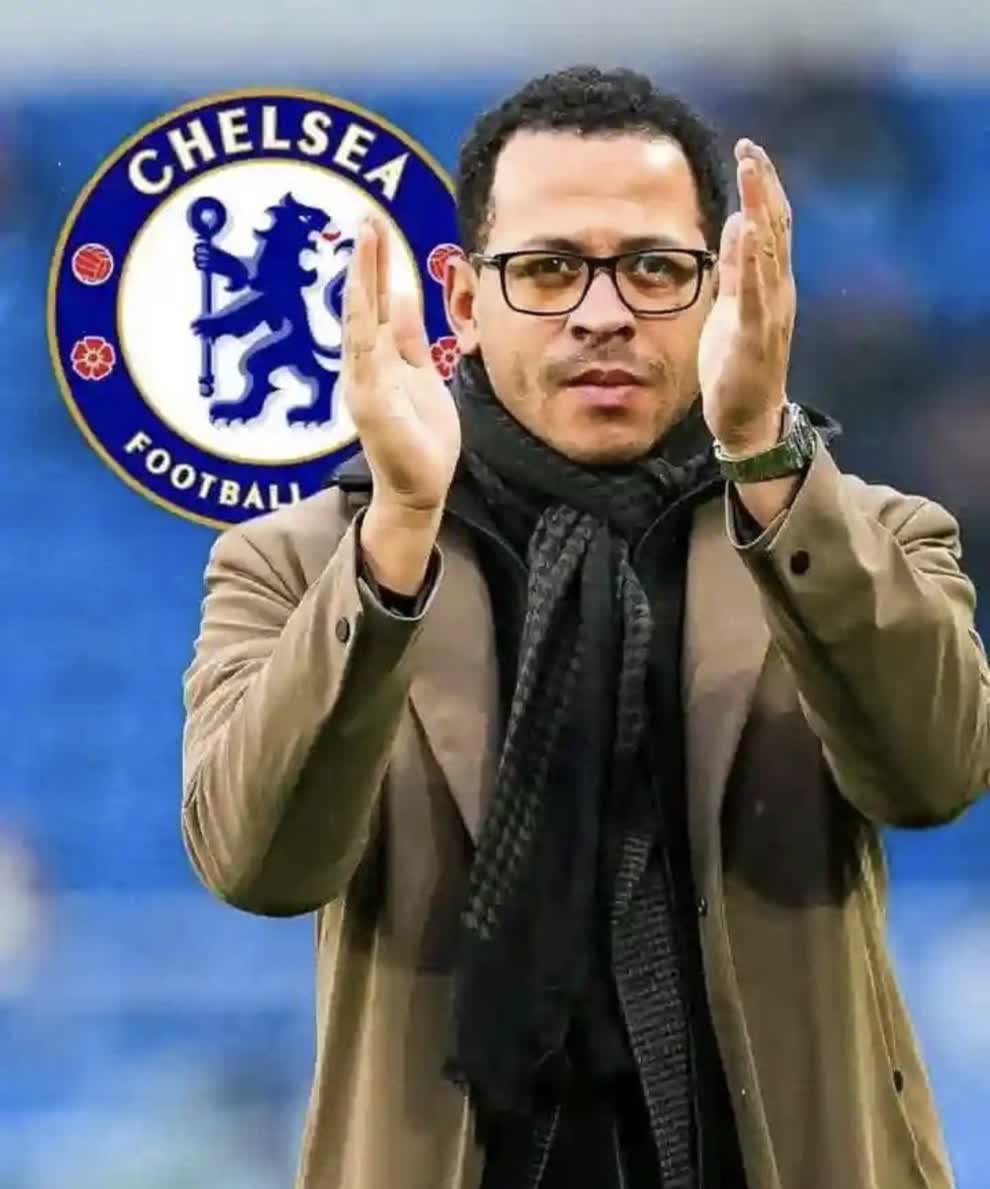
Now, Chelsea’s focus turns to finding a successor. Liam Rosenior, head coach of French club Strasbourg (which is also owned by Chelsea’s parent company, BlueCo), has emerged as the favorite to take over.
Rosenior has never managed a Premier League team before, but has spent time with Derby and Hull City.
Despite his relative lack of Premier League experience, his ties to Chelsea’s ownership structure make him an appealing option.
The club is looking for someone who can quickly steady the ship and mount a serious challenge for European qualification in the second half of the season.
What next for Enzo Maresca?
On his part, Enzo Maresca will be eager to land another role as quickly as possible — having proved his worth at the highest level.
His overall record at Chelsea saw 55 victories collected from 92 games across all competitions, with 21 defeats being suffered.
Additionally, his tenure came to a close with him boasting a win ratio of 59.78 per cent.
It won’t be surprising to see him head to Manchester; either to succeed Ruben Amorim at Old Trafford, or as Pep Guardiola’s successor at the Etihad.
Let’s keep our fingers crossed!
Conclusion
In the fast-paced world of football, managerial changes are often seen as a quick fix to a team’s woes, but Chelsea’s decision to part ways with Maresca reflects a deeper, more complex situation.
The club’s leadership is clearly hoping that a new direction will breathe fresh life into a team that, despite its individual talent, has struggled to find consistency.
As the Blues prepare for a crucial run of fixtures in January, all eyes will be on how the club recovers from this latest shake-up and whether they can salvage a season that was, for a time, filled with so much promise.