
The news of Ruben Amorim’s sacking from Manchester United has reverberated across the football world, sending shockwaves through the club’s fanbase and beyond.
The decision to part ways with the Portuguese manager came amid a series of disappointing results that left fans and pundits alike questioning his methods and future at Old Trafford.
Amorim’s sacking sees his 14-month spell at Old Trafford brought to a brutal end.
Ultimately, his relief from the Red Devils’ dugout came after aiming an explosive outburst in the direction of the club’s board following a draw at Leeds.
He paid the price for that bizarre rant.
The 40-year-old took charge of United in November 2024, as he succeeded Erik ten Hag in a prominent Premier League post, but has lasted just 63 games at the helm.
Furthermore, the Red Devils were only successful in 24 of those fixtures, meaning that their latest manager walks away with a sorry win ratio of 38 per cent.
In this article, FootballOrbit looks at why Manchester United made such a drastic move, and what were the factors behind Amorim’s downfall?
A Rocky Start and Growing Frustration
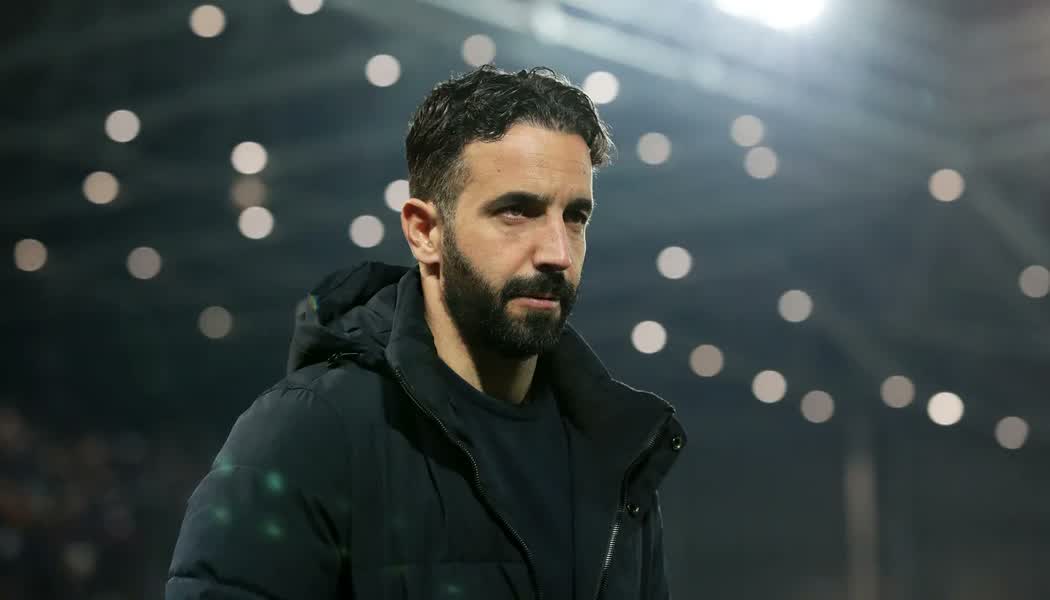
Ruben Amorim’s time at Manchester United was marred by a string of underwhelming performances, despite the club’s hefty investment in new signings.
When he arrived in November 2024, expectations were high. Known for his tactical acumen and success at Sporting CP, Amorim was expected to bring stability and structure to a team that had been floundering under previous managers.
However, his first full season was anything but smooth.
United finished 15th in the Premier League, lost the Europa League final to Tottenham (who finished 17th in the EPL!), and failed to qualify for any European continental tournament!!!
By January 2026, the Red Devils had endured their worst start to a Premier League season since 1992.
Under Amorim’s leadership, United were struggling to find consistency. The club had only secured eight wins from twenty league matches, and their inability to hold onto leads also became a recurring theme.
The frustration was palpable — both among the fans and within the club’s hierarchy.
Amorim’s unwavering commitment to his tactical principles, even when results were poor, further fueled this dissatisfaction.
Key Turning Points in the Amorim era
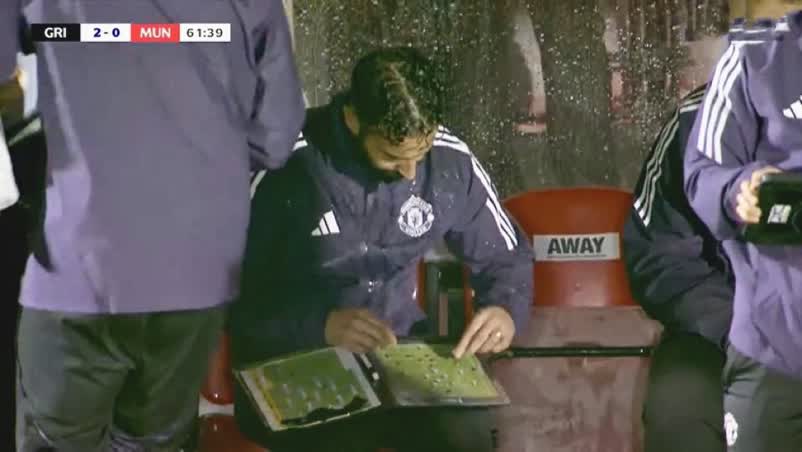
Amorim’s tenure at United was not without its high points, but they were increasingly overshadowed by negative results.
One of the most significant moments came in late August 2025, when United were eliminated from the Carabao Cup by League Two side Grimsby Town.
The loss was humiliating, and it exposed deep issues within the squad.
Also, United’s inability to break down lower-league opposition, compounded by tactical inflexibility, raised alarms both on and off the pitch.
Amorim’s response to this loss only added fuel to the fire. In the aftermath, he made public comments that hinted at an impending exit if the club wanted a tactical shift.
Therefore, his refusal to adapt his philosophy was seen as stubbornness by many observers, especially when it was clear that the team was struggling to adapt to his methods.
His relationship with the squad, too, appeared strained.
His managerial style led to the breakdown in relationship with Alejandro Garnacho, which saw the latter depart Old Trafford.
Moreover, Kobbie Mainoo was unfairly sidelined, much to the frustration of fans — which made us include him among players that may seek a transfer this January.
Additionally, reports suggested that Amorim’s insistence on integrating new signings on his own terms led to tension, particularly with players like record signing Benjamin Sesko.
Fans and Media Backlash
As results worsened, the media scrutiny surrounding Amorim intensified.
The Grimsby defeat ignited widespread calls for his dismissal, with many fans voicing their frustration on social media.
The situation was compounded by a heavy 3-0 loss to Manchester City, which was followed by further disappointing performances.
Amorim’s defiance in the face of mounting criticism only served to escalate the pressure, with his critics accusing him of failing to evolve with the changing demands of the Premier League.
The situation came to a head when United’s defeat to Brentford in September 2025 marked yet another low in a series of underwhelming results.
Despite the loss, Amorim’s public stance remained unchanged — he continued to defend his methods, even as his side struggled.
Boardroom Decisions
Although Manchester United’s hierarchy initially showed faith in Amorim, their patience began to wear thin as the losses mounted.
Club co-owner Sir Jim Ratcliffe had repeatedly expressed his backing for the manager, insisting that Amorim should be given a full season.
However, the club’s leadership faced increasing pressure from both fans and media, and the Grimsby humiliation proved to be a tipping point..
The manager’s fractured relationship with director of football Jason Wilcox was also notable.
Final Straw
Tension boiled over at Old Trafford last Friday after Wilcox and Co urged Amorim to be “more tactically flexible” in his approach — as his rigid 3-4-3 system attracted plenty of criticism.
Sensationally, Amorim took the bizzare decision to aim an outburst of his own in the direction of club officials at Old Trafford after the last match against Leeds.
Speaking at a news conference on Friday ahead of the trip to Leeds, the Portuguese coach revealed his frustration at a lack of movement in the January transfer window.
And after the game on Sunday, he went one step further by telling club bosses he wants to be “manager, not the coach” while also pointedly aiming a dig at Wilcox to “do his job.”
He claimed to be deserving of more power and authority than he is currently granted and revealed that he plans to leave Old Trafford at the end of his contract, regardless of what happens between now and that deal expiring in 2027.
Those comments did not go down well with United’s board….
Eventually, the board — led by CEO Omar Berrada — made the difficult decision to part ways with the 40-year-old.
In the end, Amorim’s sacking was not a reaction to one single event but the culmination of months of underperformance and tactical rigidity.
His inability to adapt, combined with internal friction and a growing sense of unrest among supporters, made the decision inevitable.
United’s hierarchy understood that the club’s long-term prospects under Amorim were uncertain, and with mounting pressure to secure a top-four finish and restore the team’s competitive edge, the decision to part ways with him was seen as a necessary step.
What’s Next for Manchester United?
As the search for a replacement begins, United is reportedly eyeing high-profile managerial candidates, including former France manager Zinedine Zidane.
Also, Enzo Maresca, who recently departed Chelsea, should not be ruled out.
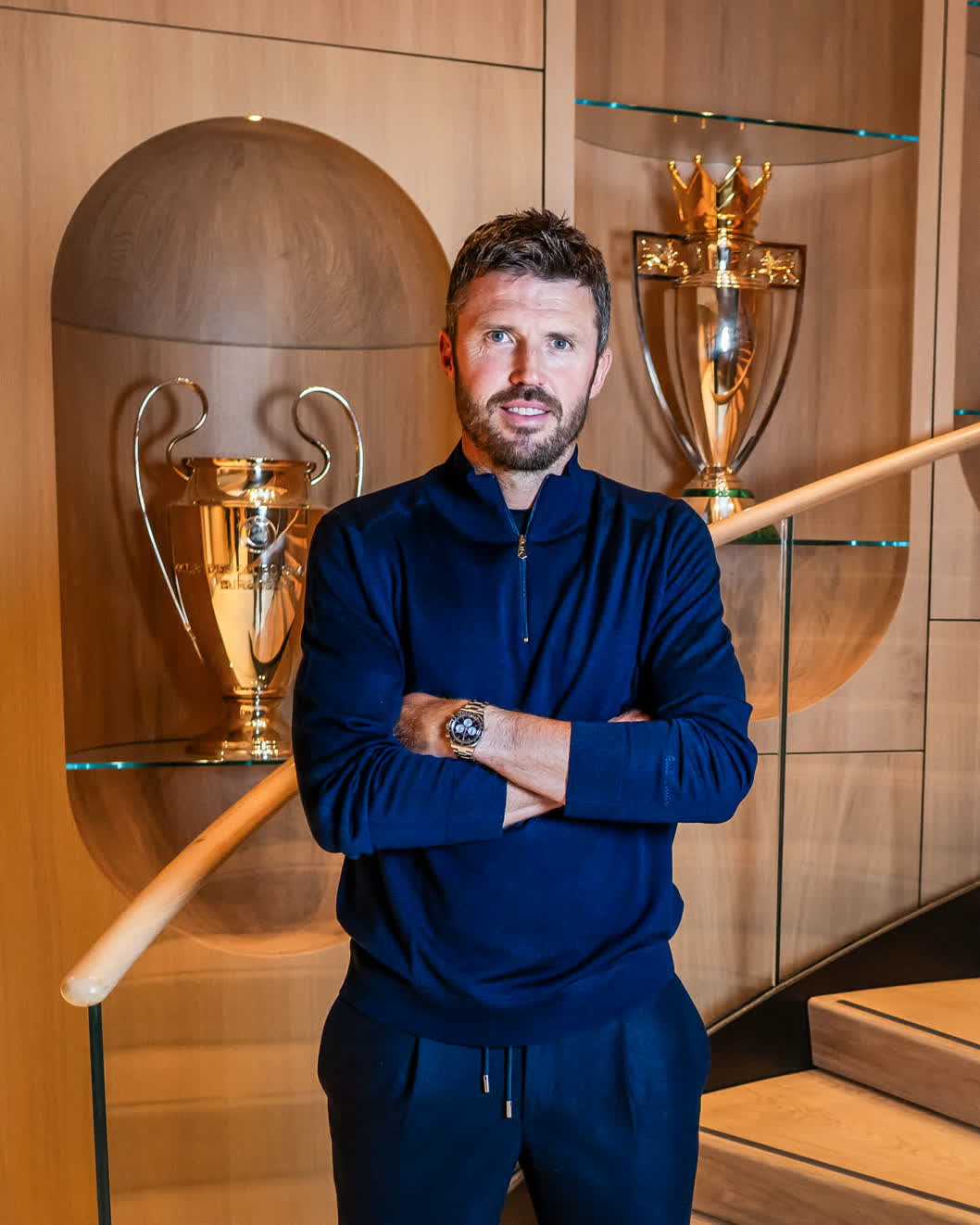
In the meantime, U-18 coach and former player Darren Fletcher will take charge as interim manager.
The challenge for Manchester United now is to find a manager who can instill a winning mentality and stabilize the team ahead of what promises to be a crucial period in the club’s rebuilding process.
What next for Amorim?
For Amorim, this chapter at Old Trafford will be remembered as one of unfulfilled potential — a successful young coach who could not quite translate his success in Portugal to the Premier League stage.
In the Premier League, he had the worst win ratio (32%), the worst goals conceded per game ratio (1.53) and the lowest clean ratio (15%) of any Manchester United manager.
Meanwhile, the Portuguese is understood to feel he was not getting the necessary backing by the club’s hierarchy and is frustrated by how things turned out.
Some facts from Ruben Amorim’s time as Manchester United manager
- His overall record at United was 24 wins, 18 draws and 21 losses in 63 games.
- Amorim won only 24 of his 63 games in charge in all competitions, or 38.1 per cent, the worst rate of any United manager since the retirement of Sir Alex Ferguson — aside from Ralf Rangnick’s 37.9 per cent in half a season as interim manager.
- United won less than a third of their Premier League games under Amorim, 15 out of 47, compared to 19 defeats.
- His average of 1.23 points per game is the worst of any United manager in the Premier League era. Next lowest is Rangnick, who averaged 1.54.
- Amorim’s longest winning run was just three matches, set in Europa League fixtures against Rangers and FCSB either side of a Premier League clash with Fulham in January. He repeated the feat in league matches against Sunderland, Liverpool and Brighton in October.
- Amorim lost exactly a third of his matches overall, the worst of any permanent United manager since Frank O’Farrell in the early 1970s.
- He left the club in sixth place in the Premier League.
- During his time in the Premier League, the only manager to lose more games than he did (19) was Ange Postecoglou (21).
Conclusion
In the immediate aftermath of Ruben Amorim’s sacking, fans are left wondering what went wrong and what lies ahead for their beloved club.
One thing is clear: the pressure at Manchester United is unrelenting, and only the strongest managers will survive in the glare of the spotlight at Old Trafford.