
|
Getting your Trinity Audio player ready...
|
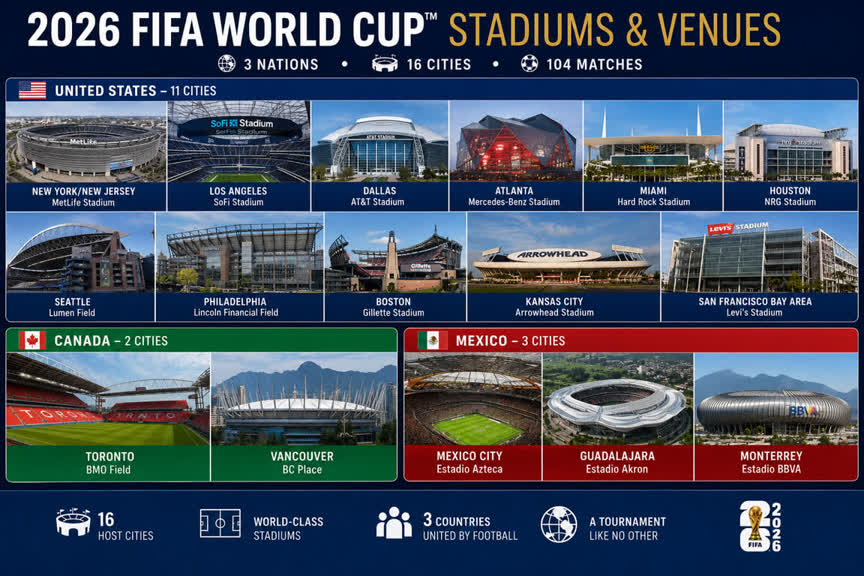
The 2026 FIFA World Cup will rewrite the record books. For the first time, 48 teams will compete across 16 stadiums in 3 host nations: United States, Canada, and Mexico.
104 matches. 39 days. Over 5 million fans expected in venues. This isn’t just a bigger World Cup. It’s North America putting its massive sporting infrastructure on display for the planet.
From Estadio Azteca’s history to SoFi Stadium’s futuristic design, each venue brings a different story.
In this guide, FootballOrbit breaks down every host stadium: capacity, history, unique features, matches expected, and what makes the fan experience different in each city.
A tournament built for scale
Why 16 stadiums were needed
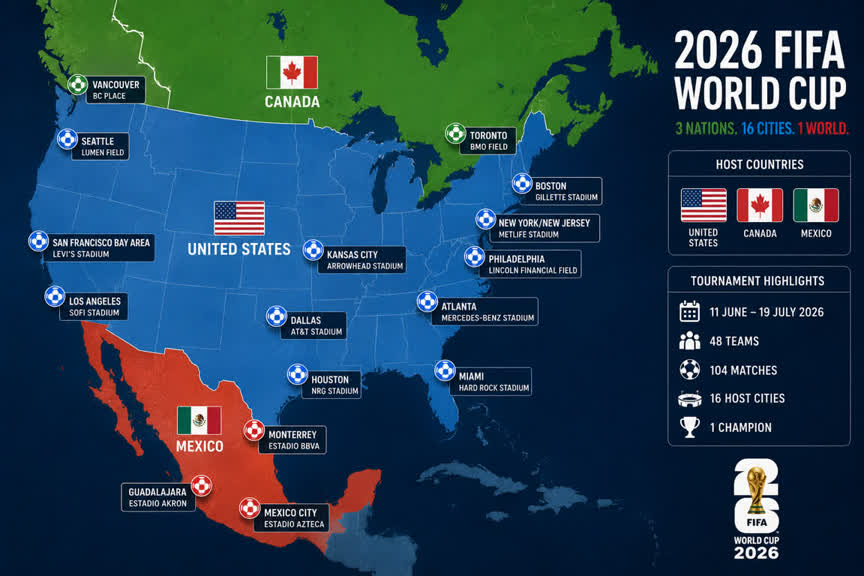
The 2022 Qatar World Cup used 8 stadiums for 64 matches. 2026 doubles the teams and adds 40 more games. Geography forced FIFA’s hand.
North America spans 6 time zones. Flying teams/fans from Vancouver to Miami in 48 hours isn’t realistic. So FIFA picked 16 venues clustered into 3 regional hubs: West, Central, East.
Result: Less travel fatigue for players, more local fan bases filling seats. But also the most spread-out World Cup ever.
US-Canada-Mexico: Different football cultures, same goal
The US brings NFL-sized venues and corporate money. 11 of 16 stadiums are NFL homes. Average US stadium capacity: 70,000+.
Mexico brings history. Estadio Azteca is the only stadium to host 3 World Cup finals. Atmosphere will be raw, passionate, loud.
Canada brings growth. Toronto and Vancouver show how fast football has exploded in a “hockey nation”. BMO Field expansion proves it.
United States: 11 Venues, 78 Matches
MetLife Stadium – East Rutherford, New Jersey
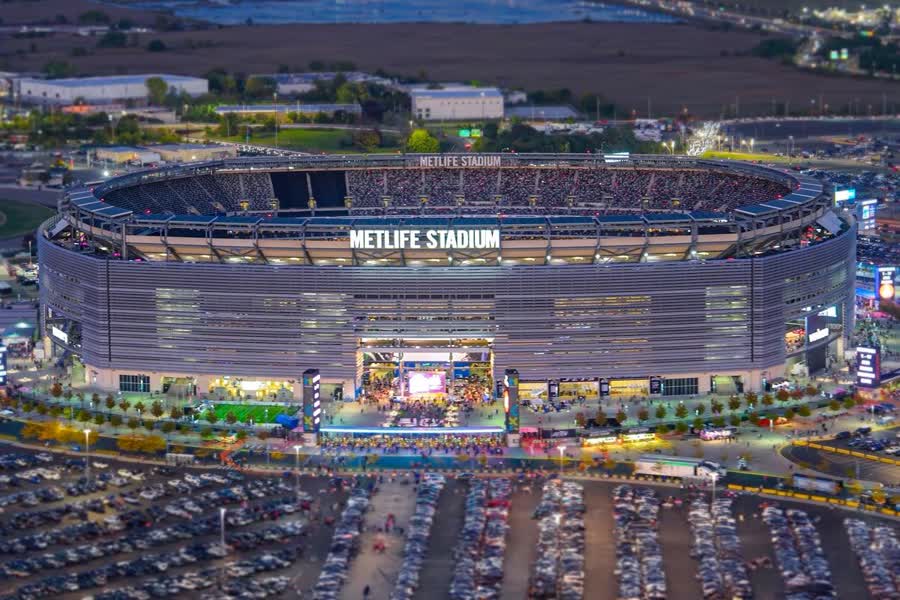
Capacity: 82,500 | Final + 7 other matches
Home: New York Giants + New York Jets
MetLife gets the biggest prize: the July 19, 2026 Final. FIFA loves “global city” finals. New York metro = 20M people, 3 international airports, media capital of the world.
The stadium opened 2010 and already hosted Copa América Centenario Final 2016. Tech specs matter here: 4K video boards, 1,300 bathrooms, 350 food points. FIFA’s pitch will be 105m x 68m laid over artificial turf.
Fan angle: 12 miles from Manhattan. Expect fans from every nation. If you’re attending, book NJ Transit + hotel 6 months early. Prices will spike 300%.
AT&T Stadium – Arlington, Texas
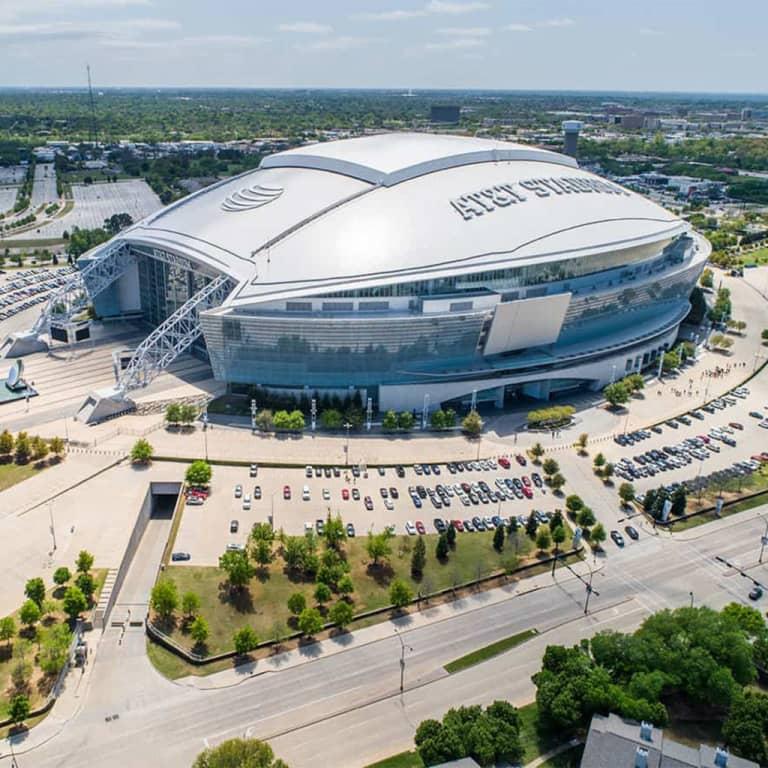
Capacity: 80,000+ | 9 matches incl. Semi-final
Home: Dallas Cowboys
Jerry World is built for spectacle. Retractable roof, 1,200ft x 72ft video board, seats 80k but expandable to 105k.
Texas heat is the real opponent. Roof + AC system keeps pitch at 24°C even when it’s 38°C outside. That’s why FIFA gave it a semi-final + group games.
Stat: AT&T hosted 105,121 for a boxing match in 2014. FIFA expects similar crowds for Mexico/USA games here.
SoFi Stadium – Inglewood, California
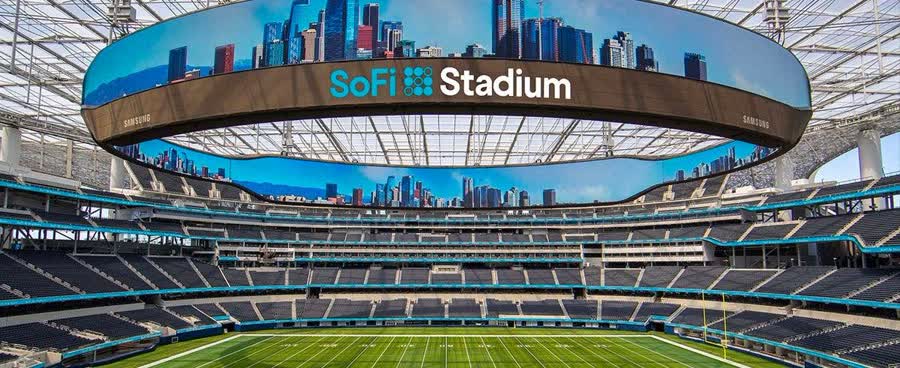
Capacity: 70,240 | 8 matches incl. Quarter-finals
Home: LA Rams + LA Chargers
Opened 2020 at $5.5B, it’s the most expensive stadium ever built. No pillars blocking views. Roof covers field + plaza but sides stay open for LA breeze.
LA 2028 Olympics will use it too. FIFA loves venues with Olympic pedigree. Expect major European + Latin American teams here. Inglewood is 15 mins from LAX.
Unique feature: The “Infinity Screen” wraps around the entire stadium interior. Every seat sees replays.
Mercedes-Benz Stadium – Atlanta, Georgia
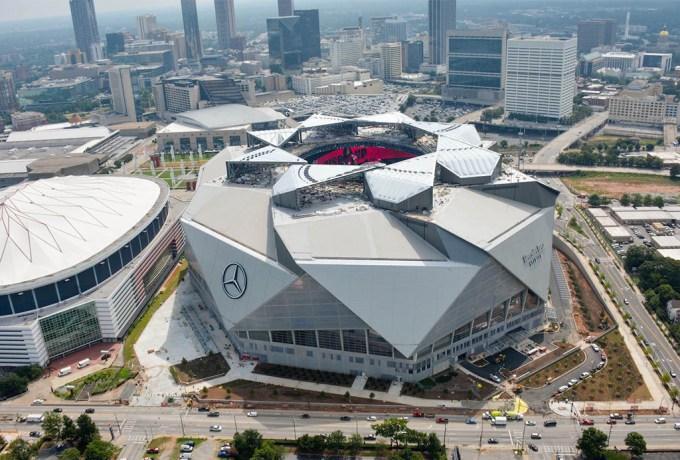
Capacity: 71,000 | 8 matches incl. Semi-final
Home: Atlanta Falcons + Atlanta United
Atlanta United proved MLS crowds can rival Europe. 72,548 showed up for 2018 MLS Cup. That energy is why FIFA picked it for a semi.
The roof has 8 “petals” that open like a camera lens in 8 minutes. Natural grass tray gets rolled in for World Cup. Atlanta United’s “golden spike” supporter section will be relocated but the noise won’t be.
Angle: Deep South football culture. Atlanta = 50% Black population, huge Latin community. Atmosphere will be different from NYC or LA.
Lincoln Financial Field – Philadelphia, Pennsylvania
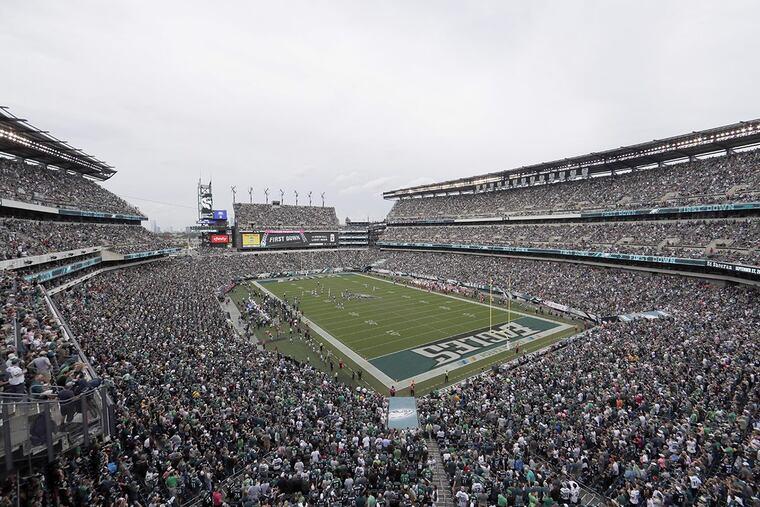
Capacity: 69,176 | 6 matches
Home: Philadelphia Eagles
Philly fans are infamous. “Snowball Santa” infamous. But they’re also knowledgeable. Eagles crowd noise hit 109.8 decibels in 2013.
FIFA gave Philly mostly group stage + Round of 32. No knockouts. Reason: turf. Grass pitch will be installed but Philly weather in June is wet. Drainage will be tested.
Fan tip: Pat’s vs Geno’s cheesesteaks 10 mins away. Tournament will run on them.
Gillette Stadium – Foxborough, Massachusetts
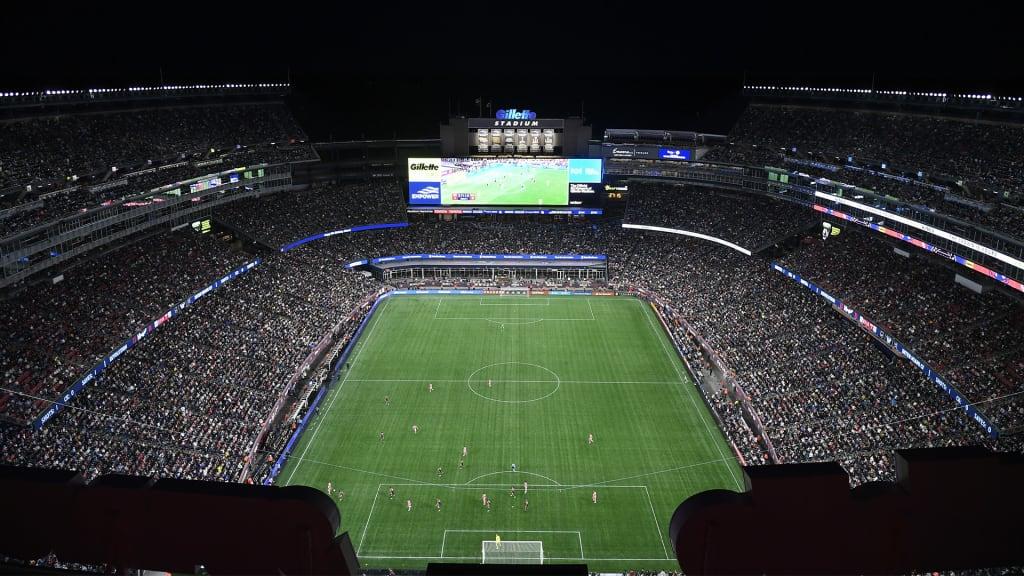
Capacity: 65,878 | 7 matches
Home: New England Patriots + Revolution
30 mins south of Boston. Tom Brady’s old home. FIFA gave it a Round of 16 match.
New England Revolution built MLS’s first soccer-specific culture here. “The Fort” supporters group will be relocated but their energy stays. Boston = college town + Irish + Latin mix. Expect European teams to love this stop.
Stat: Stadium sits on former swampland. 32,000 wooden piles hold it up. Engineers will check pitch stability for FIFA.
Hard Rock Stadium – Miami Gardens, Florida
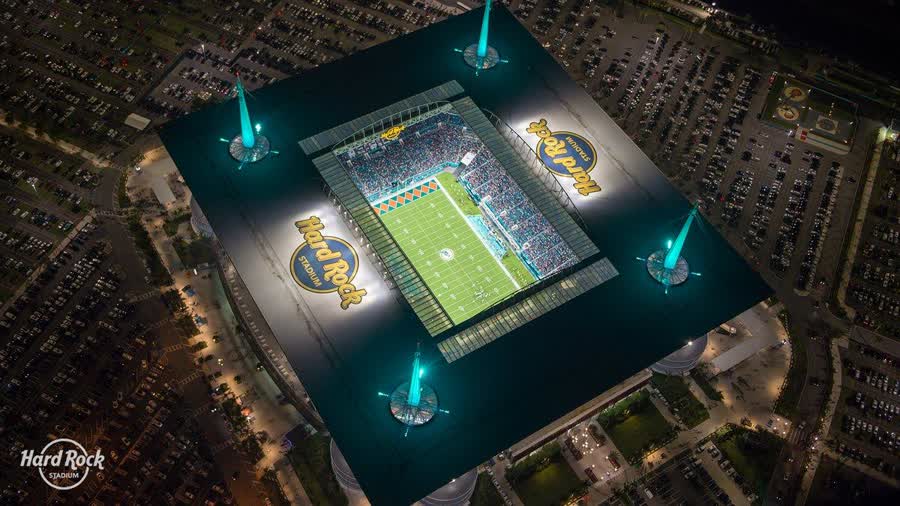
Capacity: 64,767 |7 matches incud. 3rd place playoff
Home: Miami Dolphins
Miami = World Cup party city. 70% Hispanic population. Hard Rock got the bronze medal game + Copa América 2024 Final.
$500M renovation 2016 added canopy covering 92% of seats. Critical for June humidity + rain. Natural grass system with grow lights.
Unique angle: Players will hear Spanish, Portuguese, French, English in the stands. Most multicultural venue of 2026.
NRG Stadium – Houston, Texas
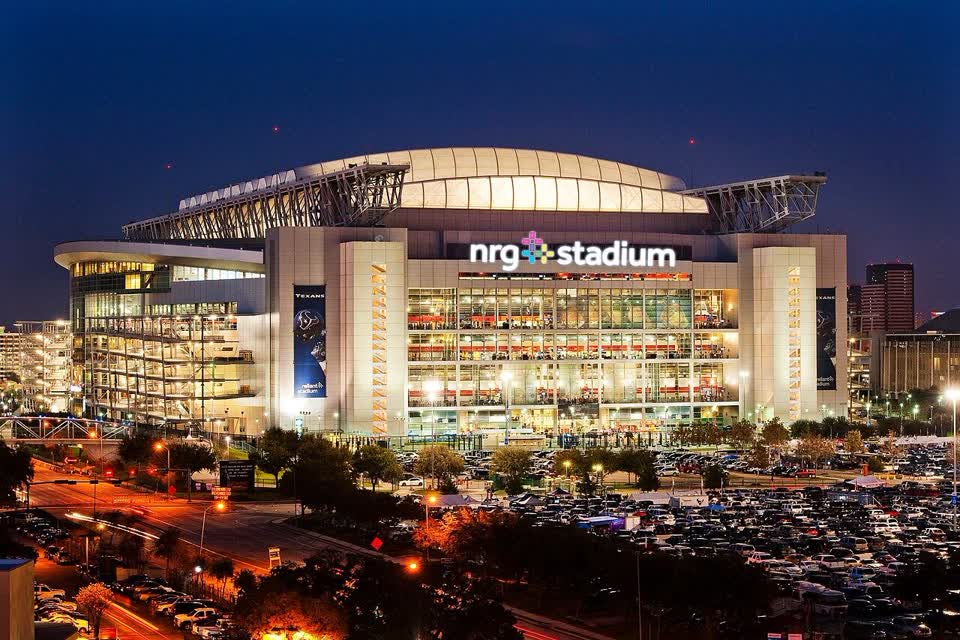
Capacity: 72,220 | 7 matches
Home: Houston Texans
First NFL stadium with retractable roof, opened 2002. Houston humidity is brutal but roof + AC solves it.
Houston has largest Nigerian population in US. Diaspora fans will pack games for African teams. NRG also has massive tailgating space. Expect pre-match parties to be as big as the games.
Lumen Field – Seattle, Washington
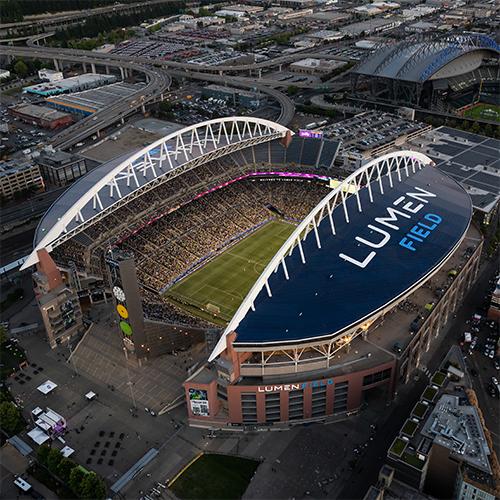
Capacity: 68,740 | 6 matches
Home: Seattle Sounders + Seahawks
“12th Man” is real here. Seahawks crowd hit 137.6 decibels, Guinness record. Sounders average 33k even in MLS regular season.
Roof covers 70% of seats but sides open to Puget Sound + mountains. June weather = 20°C, perfect football. FIFA gave Seattle group games + Round of 32.
Angle: Most European-style atmosphere in US. Standing terraces for Sounders fans will be adapted for FIFA.
Levi’s Stadium – Santa Clara, California
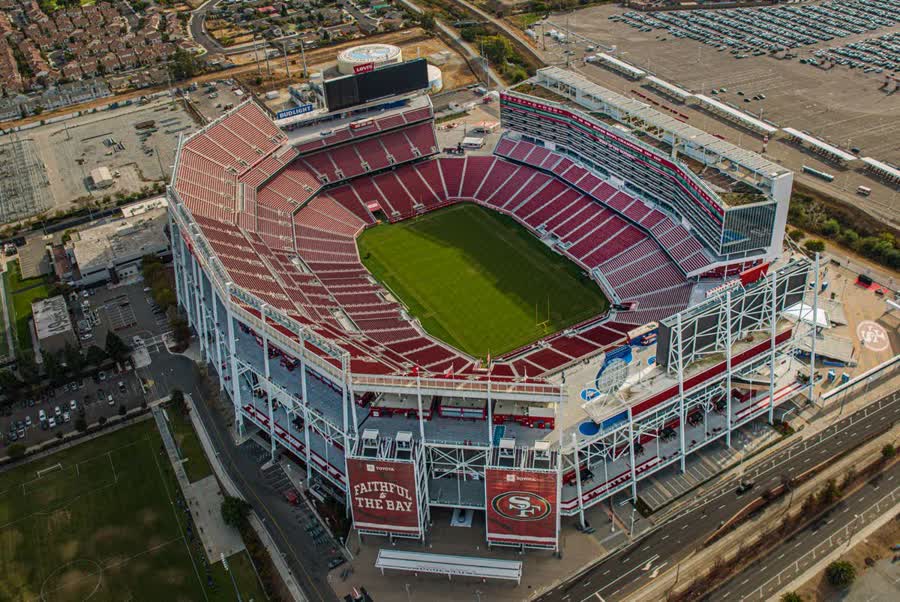
Capacity: 68,500 | 5 matches
Home: San Francisco 49ers
Silicon Valley stadium. Solar panels, 1,200+ trees, LEED Gold certified. “Greenest” venue of 2026.
49ers fans are corporate but Bay Area has huge Mexican + Central American population. Expect Mexico games here to feel like Azteca away games.
Tech: App controls parking, food orders, bathroom wait times. FIFA will test this tech for future tournaments.
GEHA Field at Arrowhead Stadium – Kansas City, Missouri
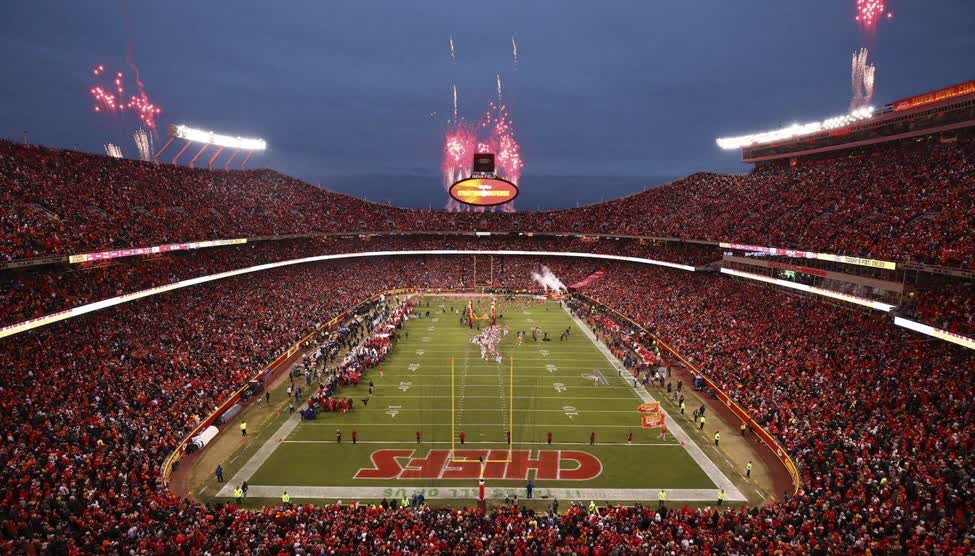
Capacity: 76,416 | 6 matches
Home: Kansas City Chiefs
Loudest outdoor stadium on Earth. 142.2 decibels in 2014. Chiefs fans live for noise.
Kansas City isn’t a “global city” but FIFA picked it for pure atmosphere. Midwest football heartland. Sporting KC showed MLS can work here.
Challenge: No roof. June storms + heat will test players. But night games will be electric.
Canada: 2 Venues, 13 Matches
BMO Field – Toronto, Ontario
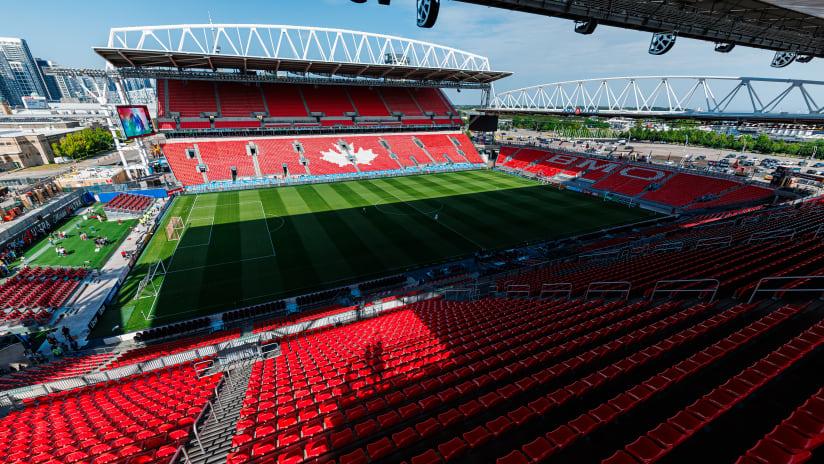
Capacity: 45,500 expanded to ∼48,000 | 6 matches
Home: Toronto FC
Only soccer-specific stadium of 2026. Toronto FC’s “BMO Field Roar” will be reconfigured for FIFA.
Canada’s football boom: 2022 World Cup qualification ended 36-year wait. Toronto is most diverse city in world. 200+ ethnic groups. Every team will have fans here.
Expansion: Temporary north stand added for 2026 then removed. FIFA minimum is 40k, BMO will hit 48k.
BC Place – Vancouver, British Columbia
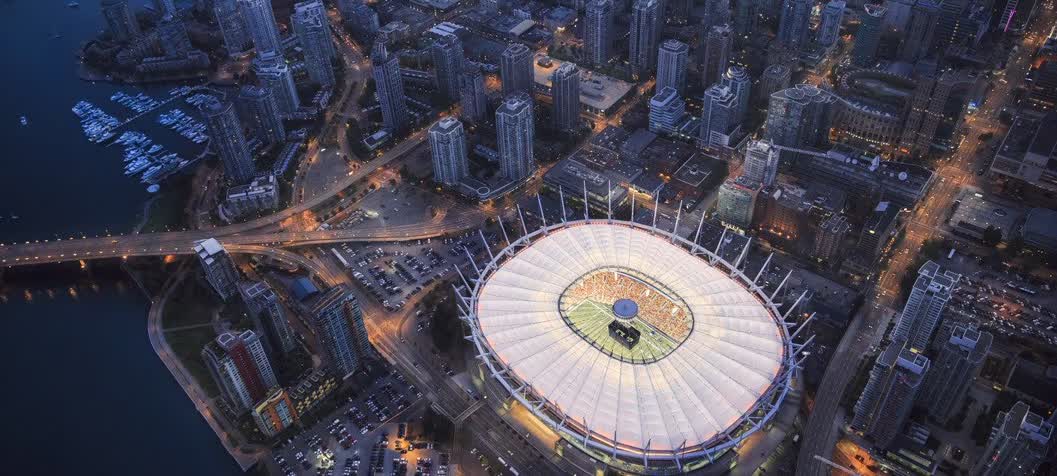
Capacity: 54,500 | 7 matches
Home: Vancouver Whitecaps
Retractable roof + mountain + ocean backdrop = most scenic venue. Roof closes in 20 mins if Vancouver rain hits.
Vancouver 2015 Women’s World Cup Final was here. Stadium knows big games. West Coast timezone helps TV for Asia.
Fan experience: 15 mins to downtown, Stanley Park nearby. Players will call this the best city of the tournament.
Mexico: 3 Venues, 13 Matches
Estadio Azteca – Mexico City
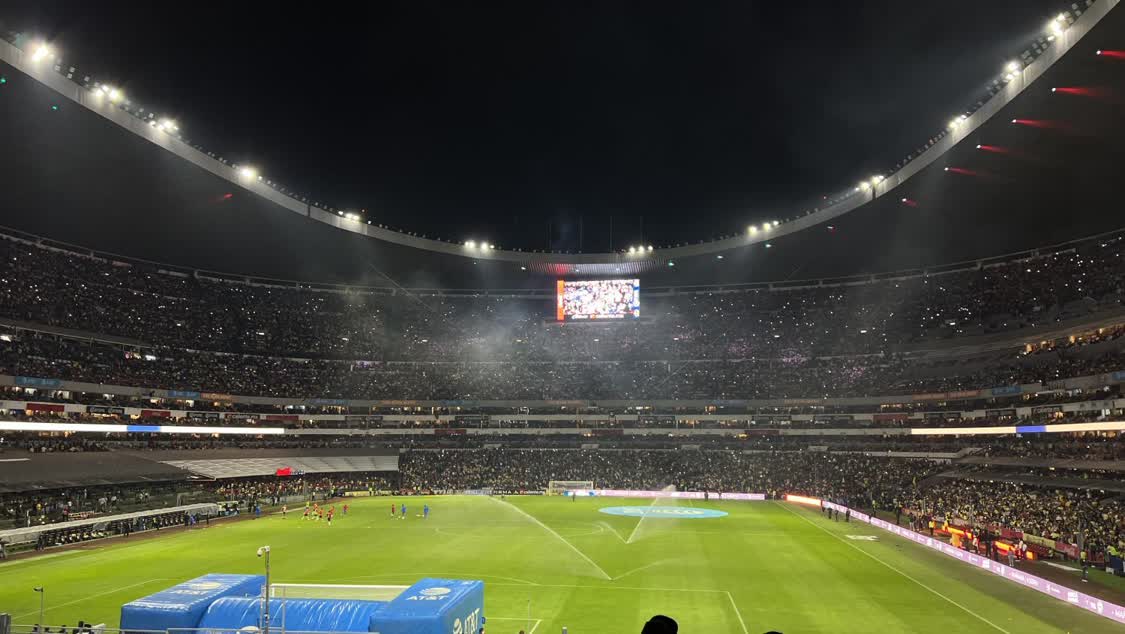
Capacity: 87,523 | 5 matches incl. Opening game
Home: Club América
Only stadium to host 2 World Cup finals: 1970 Pelé, 1986 Maradona “Hand of God”. 2026 makes it 3. No other stadium in history.
Altitude 2,200m above sea level. Ball travels faster, players gas out quicker. Teams will arrive 2 weeks early to acclimatize.
Renovation: $200M upgrade 2024-2025. New seats, WiFi, media facilities. But the bowl and history stay.
Fan angle: “Cielito Lindo” singalong at 80k capacity is goosebumps. Opposing teams hate this place.
Estadio BBVA – Monterrey
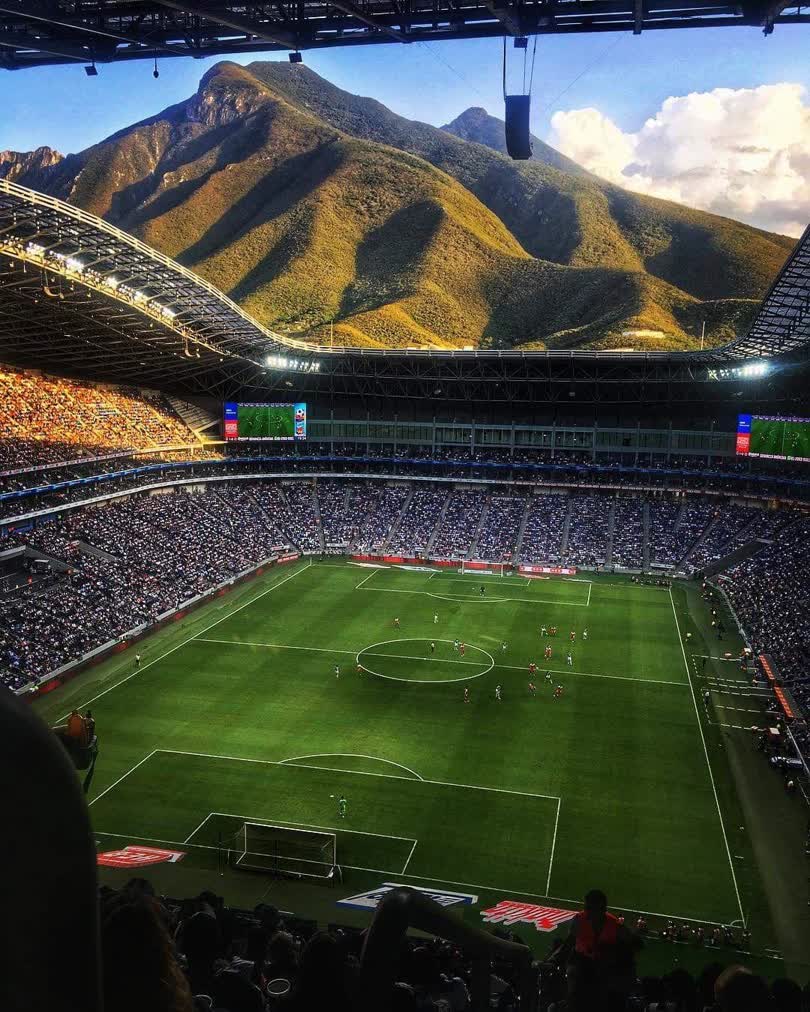
Capacity: 53,500 | 4 matches
Home: Monterrey
“The Steel Cathedral”. Opened 2015, looks like it’s carved into mountains. Cerro de la Silla backdrop is stunning for TV.
Monterrey fans are obsessive. 50k season ticket waitlist. Hot, dry, but stadium design creates airflow.
Stat: FIFA ranked it #1 stadium in Americas for fan experience 2023. That’s why it got games over bigger Mexican venues.
Estadio Akron – Guadalajara
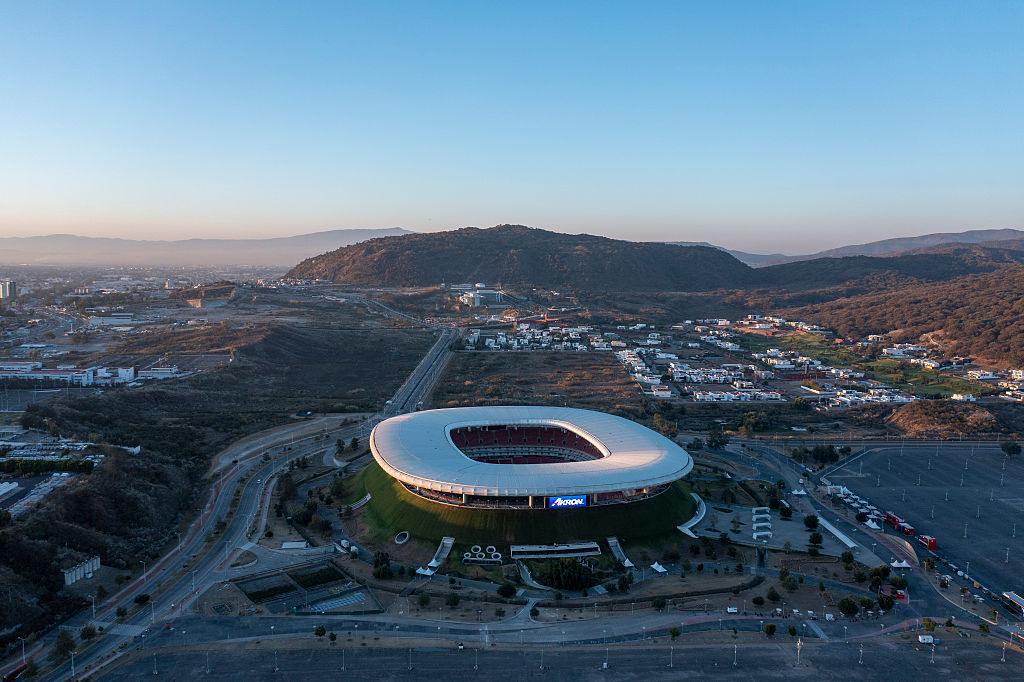
Capacity: 49,850 | 4 matches
Home: Chivas Guadalajara
Chivas only plays Mexican players. That national identity means stadium atmosphere = pure Mexican pride.
Volcano-shaped design, opened 2010. Guadalajara = birthplace of mariachi + tequila. Expect color, noise, flags.
Unique: Natural grass in Mexico + altitude 1,500m. Pitch team will work overtime.
Match allocation: Where the big games go
FIFA hasn’t released full schedule, but patterns are clear from venue size + history:
Opening Match: Estadio Azteca, June 11, 2026. Mexico likely plays. 3rd time Azteca hosts opener.
Final: MetLife Stadium, July 19, 2026. FIFA always wants New York/London/Paris for finals.
Semi-finals: AT&T Stadium + Mercedes-Benz Stadium. Both 70k+, domed, corporate boxes for FIFA sponsors.
Quarter-finals: SoFi, Hard Rock, maybe MetLife. Big cities, big TV audiences.
Group stage spread: Every region gets big teams. US gets most, Mexico gets Mexico, Canada gets Canada. Ensures local sellouts.
Fan experience: 3 countries, 16 different vibes
Mexico City: History + altitude + passion. Street food outside Azteca, mariachi bands. Cheapest tickets but hardest travel.
US Cities: NFL-level comfort. $15 beer, huge video boards, AC. But also traffic + hotel costs. New York, LA, Miami will be most expensive.
Canada: Cleaner, calmer, scenic. Toronto multiculturalism + Vancouver nature. Smaller stadiums = closer to pitch.
Travel reality: Group stage in Seattle, Round of 16 in Miami = 5,400km flight. FIFA created “hubs” so teams play 2-3 games in same region before moving.
Legacy: What happens after 2026
These 16 stadiums won’t be white elephants. All are NFL/MLS/CFL/Liga MX homes with year-round use.
Growth impact: Canada gets permanent World Cup venues. Youth participation will spike. Mexico cements Azteca as football mecca. US proves it can host 104 games without issues.
Innovation: SoFi + Levi’s tech will become FIFA standard. Sustainability at Levi’s, roof tech at Mercedes-Benz + NRG will be copied.