|
Getting your Trinity Audio player ready...
|
Every FIFA World Cup marks the beginning of new dreams. Young stars emerge, nations write fresh chapters in their footballing histories, and future legends announce themselves on the grandest stage.
However, World Cups are also about farewells.
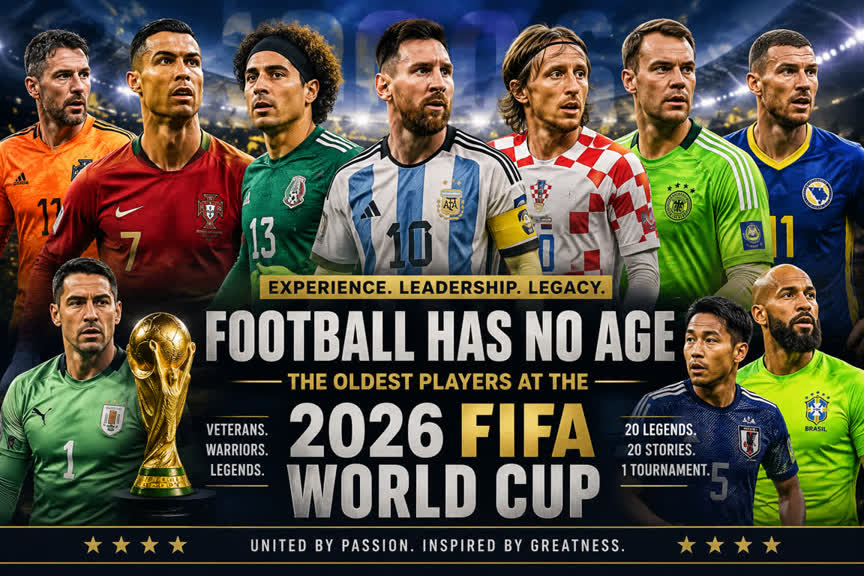
The 2026 FIFA World Cup in the United States, Canada and Mexico is not only the largest tournament in football history; it is also the closing chapter for one of the greatest generations the game has ever produced.
Across the competition, some of football’s most iconic figures are taking part in what is widely expected to be their final appearance at the sport’s most prestigious event.
These are players who have defined an era. They have won Ballon d’Or awards, Champions League titles, league championships and international honours.
Moreover, they have inspired millions, broken countless records and become symbols of their respective nations.
Now, with time catching up to even the greatest athletes, they have one final opportunity to leave their mark on football’s biggest stage.
For some, it is a chance to complete an unfinished mission. For others, it is an opportunity to add one final trophy to already glittering careers.
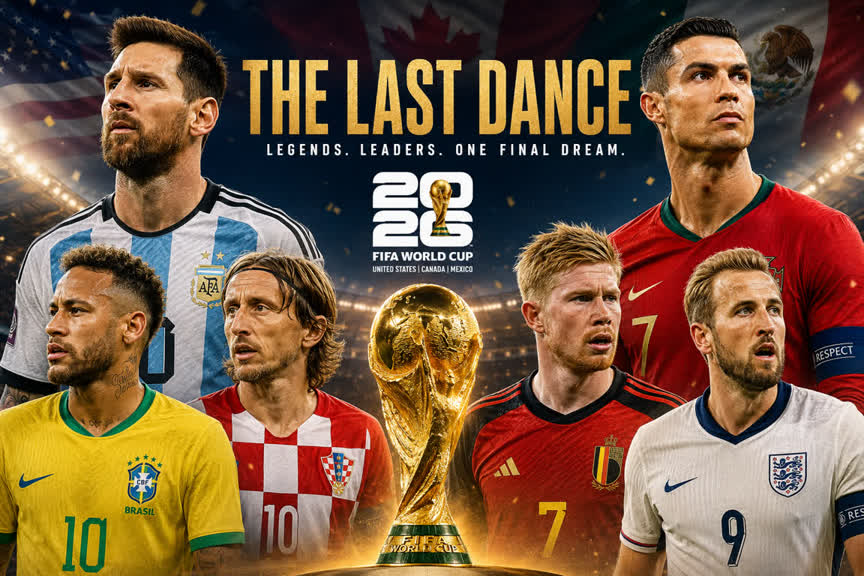
Above all, World Cup 2026 represents a farewell tour for a generation that transformed modern football.
In this post, FootballOrbit presents you with the iconic players who MAY be gracing the FIFA World Cup for the last time.
Lionel Messi (Argentina – 39 years old)
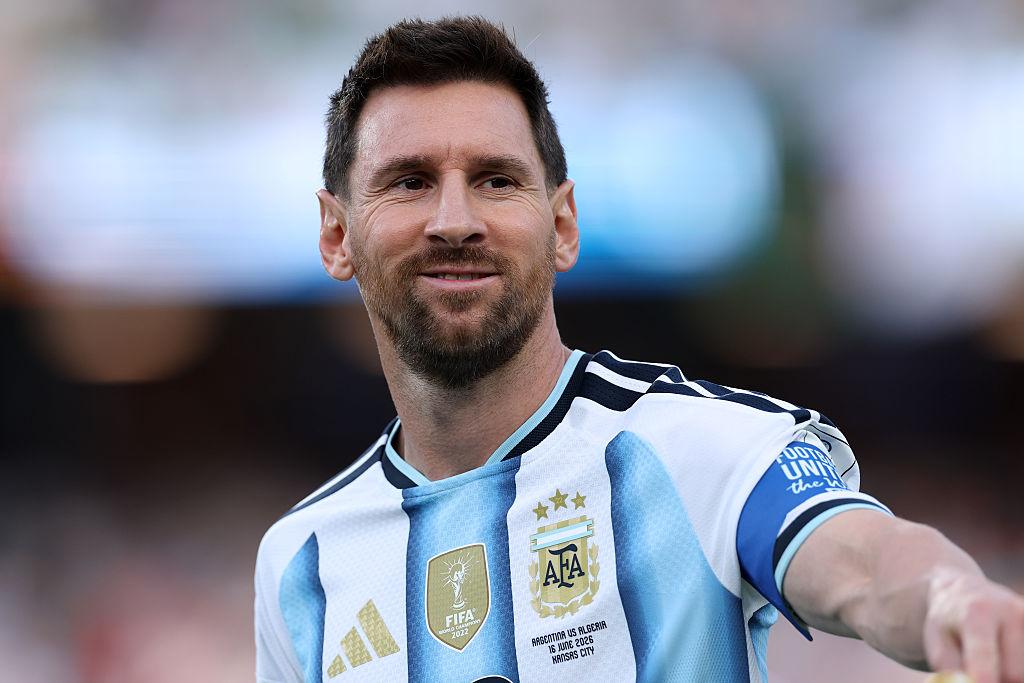
No player embodies the idea of a footballing farewell quite like Lionel Messi.
Having finally fulfilled his lifelong dream by leading Argentina to World Cup glory in Qatar in 2022, Messi arrived in North America with nothing left to prove.
Yet, the Argentine captain remains driven by the desire to compete and inspire.
At 39 years old, he continues to influence matches through intelligence, vision and technical brilliance rather than raw athleticism.
Thus, every appearance now feels precious, with supporters around the world aware that they are witnessing the final international performances of one of football’s greatest-ever players.
Messi’s World Cup journey has spanned two decades, from an exciting teenager in Germany in 2006 to a global icon carrying the hopes of a football-mad nation. His story has featured heartbreak, criticism, redemption and ultimate triumph.
Remarkably, the Argentine captain has already continued rewriting history in this tournament. During Argentina’s group-stage victory over Austria, Messi became the all-time leading scorer in World Cup history — surpassing Miroslav Klose’s long-standing record.
Should 2026 prove to be his final World Cup, it will bring the curtain down on one of the most extraordinary international careers the game has ever seen.
Cristiano Ronaldo (Portugal – 41 years old)
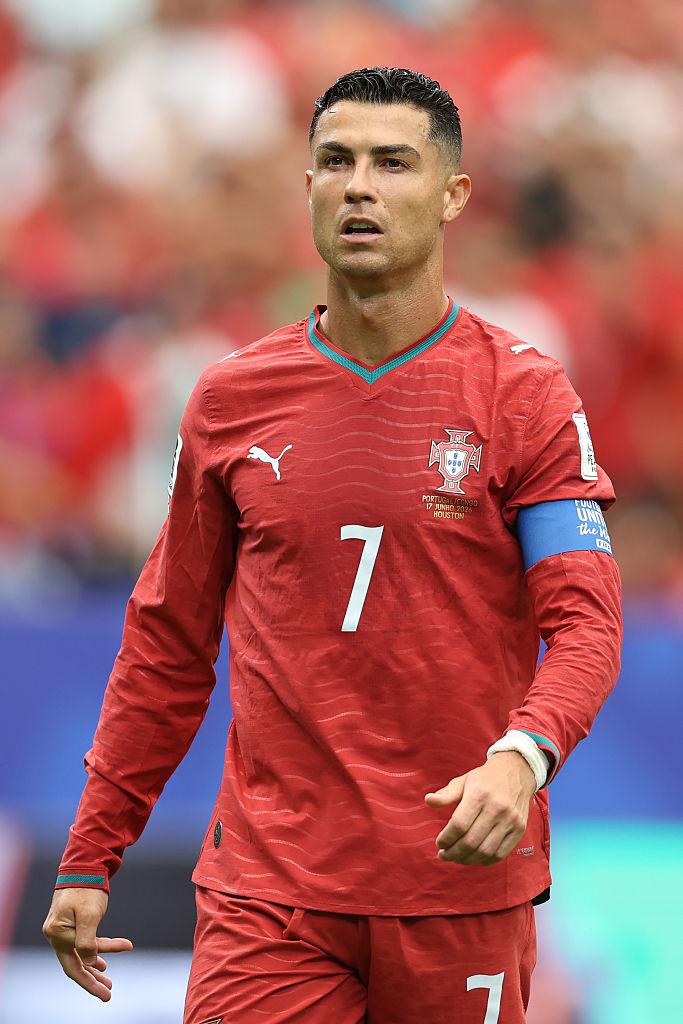
Alongside Messi, Cristiano Ronaldo has dominated football for nearly twenty years.
The Portuguese superstar has consistently redefined expectations regarding longevity, professionalism and elite performance.
Throughout his career, Ronaldo has shattered records while collecting trophies in England, Spain, Italy, Saudi Arabia and on the international stage.
Yet one prize remains elusive: the FIFA World Cup.
Having already lifted the UEFA European Championship and UEFA Nations League trophies, Ronaldo’s greatest ambition is to guide Portugal to global glory.
At 41, he understands that World Cup 2026 almost certainly represents his final chance.
For Portugal, the tournament is about more than winning matches. It is about helping the nation’s greatest player achieve the one accomplishment missing from his remarkable résumé.
Neymar (Brazil – 34 years old)
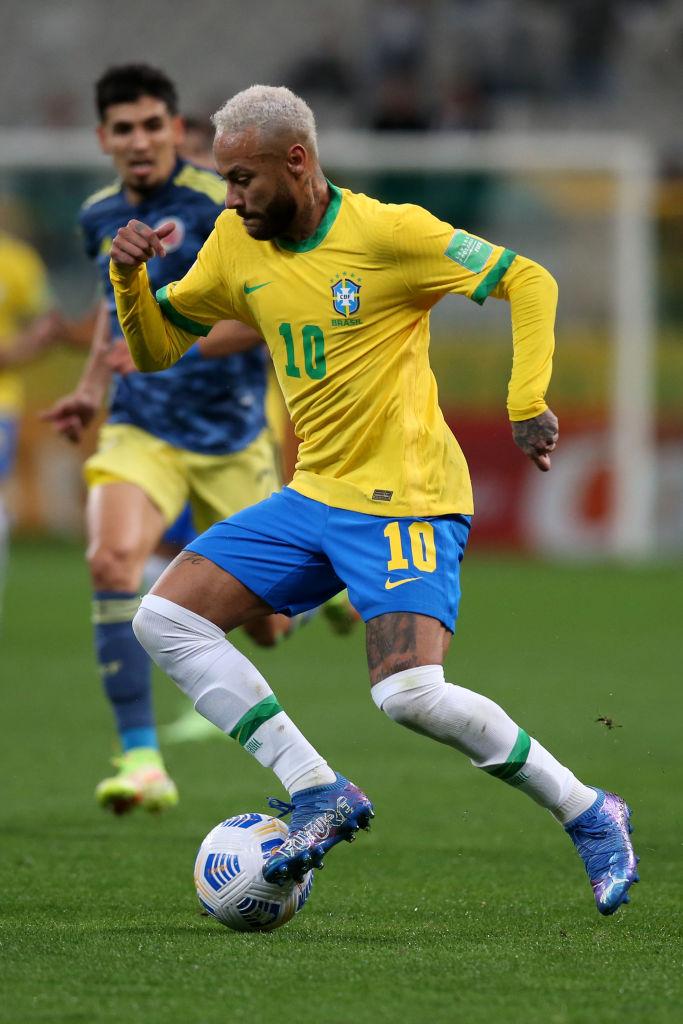
For much of the last decade, Neymar has carried the burden of succeeding Pelé as the face of Brazilian football.
Few players have experienced greater expectations.
The former Barcelona and Paris Saint-Germain star has produced countless moments of brilliance throughout his international career.
However, injuries and near misses have prevented him from lifting the World Cup trophy.
Brazil’s humiliating 7-1 defeat to Germany on home soil in 2014, the disappointment of Russia 2018 and the heartbreak of Qatar 2022 remain painful memories.
Now, with younger stars taking centre stage, Neymar enters what is likely to be his final World Cup campaign determined to secure the one trophy that has always eluded him.
For Brazil, there could be no more fitting ending.
Kevin De Bruyne (Belgium – 34 years old)
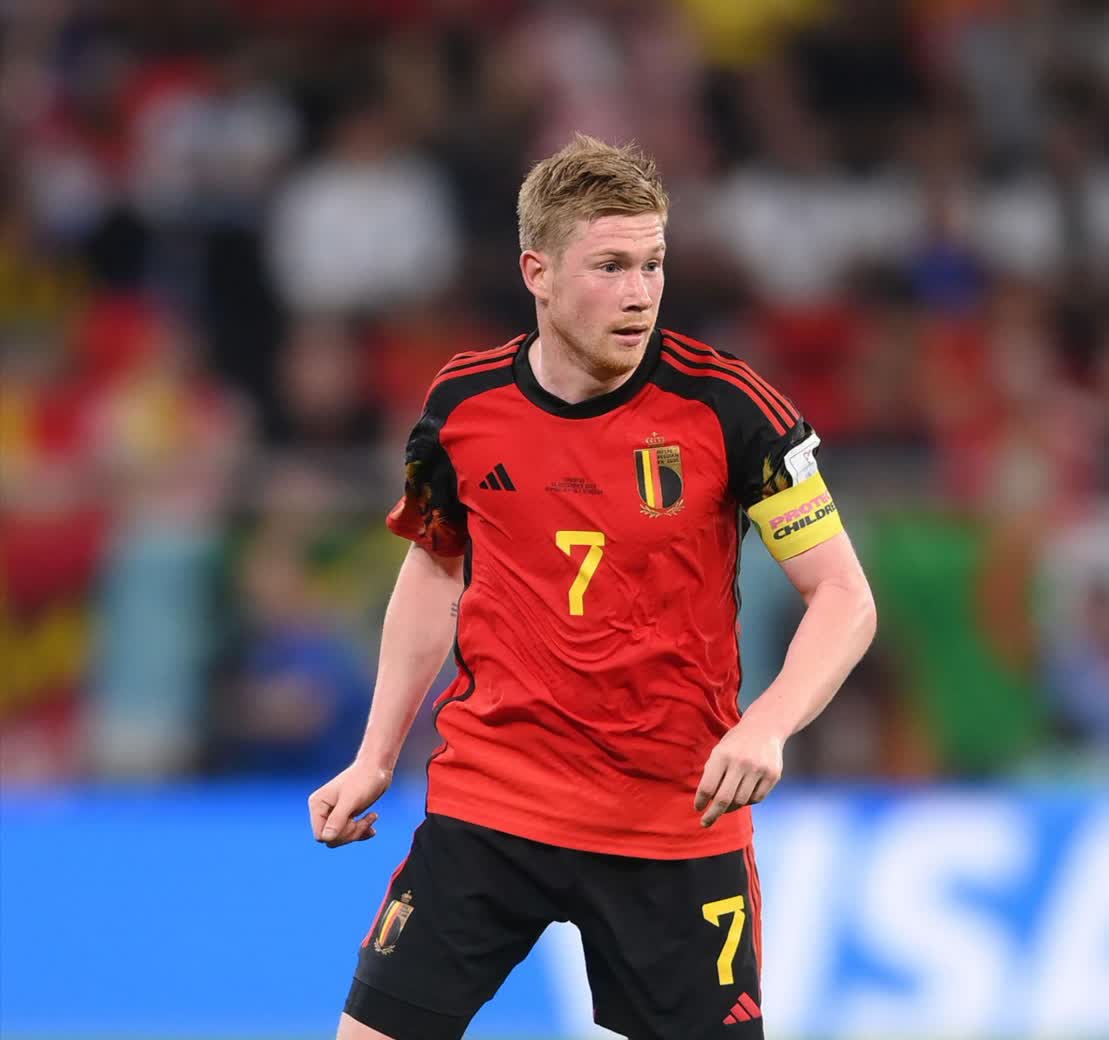
Kevin De Bruyne has been the architect of Belgium’s golden generation.
Widely regarded as one of the finest midfielders of his generation, the Belgian playmaker has dazzled supporters with his passing range, creativity and footballing intelligence.
Belgium came agonisingly close to glory during the 2018 World Cup, reaching the semi-finals before eventually finishing third.
Now approaching the twilight of his career, De Bruyne understands that opportunities at this level are running out.
Therefore, World Cup 2026 may be his final chance to guide Belgium towards the major international trophy that has long escaped this talented generation.
Harry Kane (England – 32 years old)
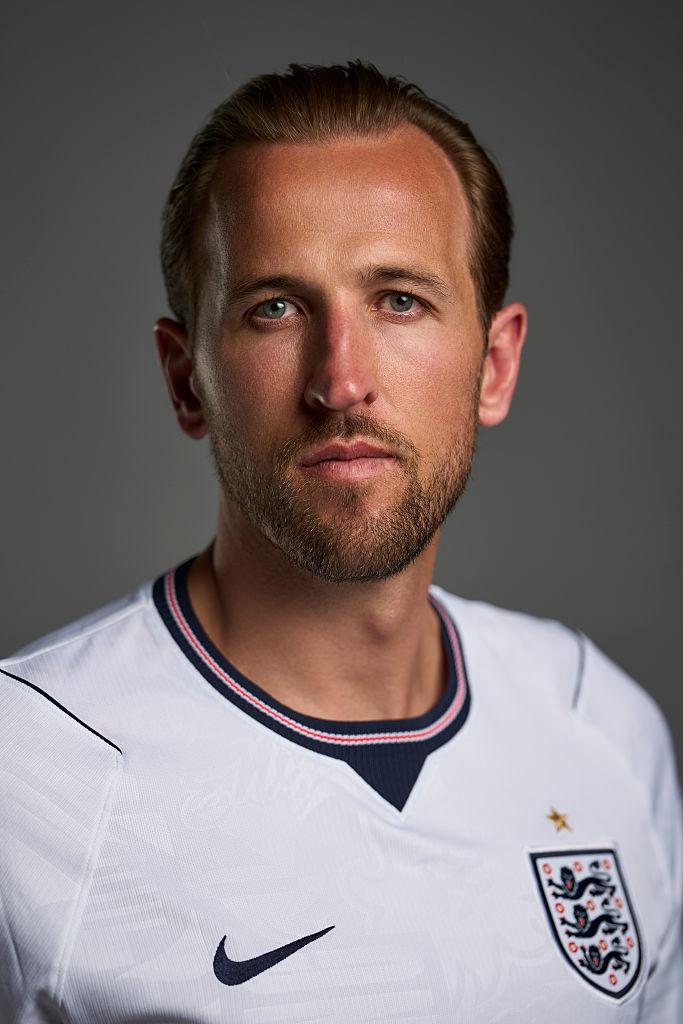
England’s all-time leading goalscorer has spent his international career chasing history.
Harry Kane has already established himself among the greatest strikers ever to wear the Three Lions shirt.
Nevertheless, major tournament glory remains elusive.
England reached the semi-finals in 2018 and the quarter-finals in 2022, but the ultimate prize has remained out of reach.
At 32, Kane is still performing at an elite level, but World Cup 2030 may arrive too late for him to remain England’s focal point.
Consequently, many view this tournament as his last realistic opportunity to emulate Bobby Moore and lift football’s most coveted trophy.
Luka Modrić (Croatia – 40 years old)
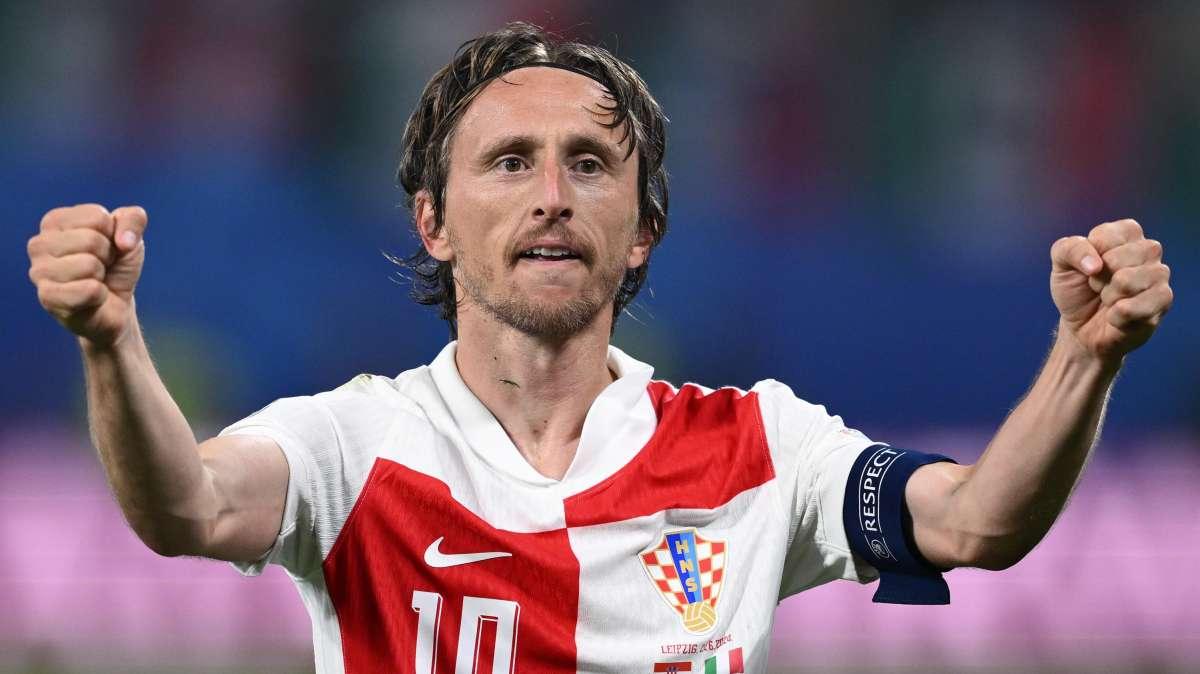
Luka Modrić has already secured his place among football’s greatest midfielders.
The Croatian captain arrives at World Cup 2026 aged 40 and participating in his fifth World Cup tournament. Croatia officially included Modrić in their 2026 squad despite concerns over an injury suffered shortly before the competition.
His World Cup legacy is already extraordinary.
Modrić inspired Croatia to an unlikely runners-up finish in 2018 before leading them to a third-place finish in 2022. Along the way, he established himself as the symbol of Croatia’s golden generation.
At 40 years old, he remains the heartbeat of Croatian football and one of the oldest players at the 2026 World Cup.
His influence extends far beyond statistics. He represents resilience, leadership and technical excellence.
Nevertheless, every tournament eventually reaches its conclusion, making World Cup 2026 a deeply emotional occasion for Croatian supporters.
Manuel Neuer (Germany – 40 years old)
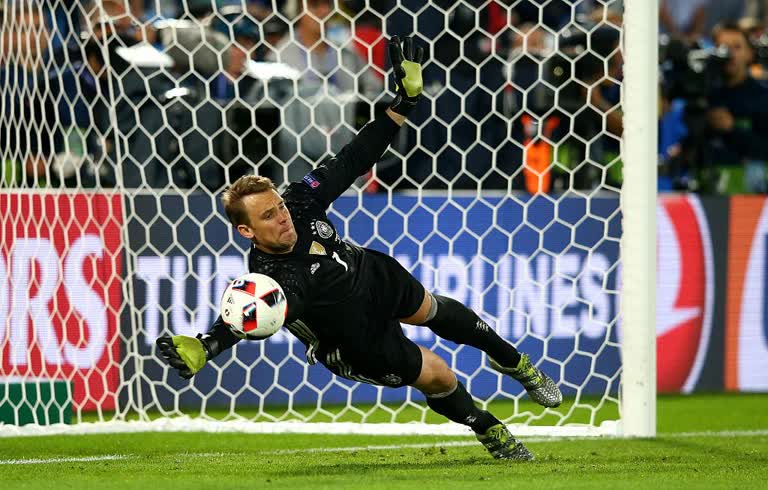
For more than a decade, Manuel Neuer revolutionised goalkeeping.
His aggressive sweeper-keeper style changed how the position is played and influenced an entire generation of goalkeepers.
A World Cup winner in 2014, Neuer has already achieved almost everything available in football.
Yet, the German legend continues to compete at the highest level and remains an inspirational figure within the national team setup.
Should this be his final World Cup, it would mark the end of one of the greatest goalkeeping careers in football history.
Virgil van Dijk (Netherlands – 34 years old)
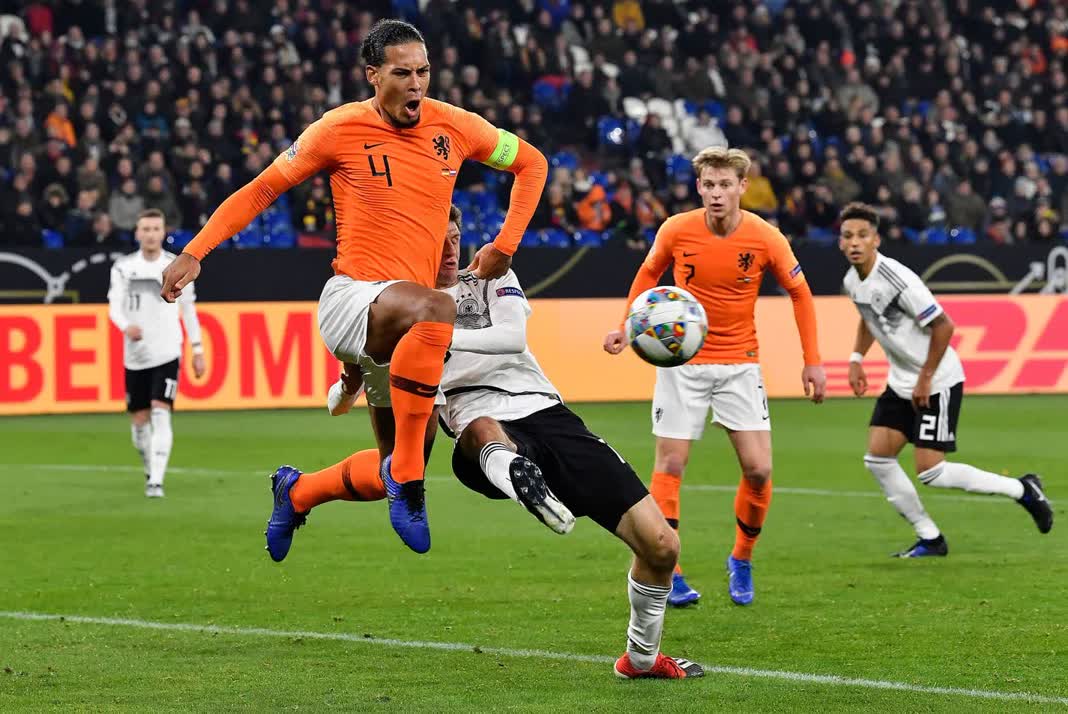
Virgil van Dijk transformed the Netherlands defence and became one of the defining centre-backs of his era.
Combining physical dominance, composure and leadership, he has captained both club and country with distinction.
For Dutch supporters, World Cup 2026 offers one final opportunity to watch their defensive leader attempt to guide the Oranje to a first-ever World Cup triumph.
Son Heung-min (South Korea – 33 years old)
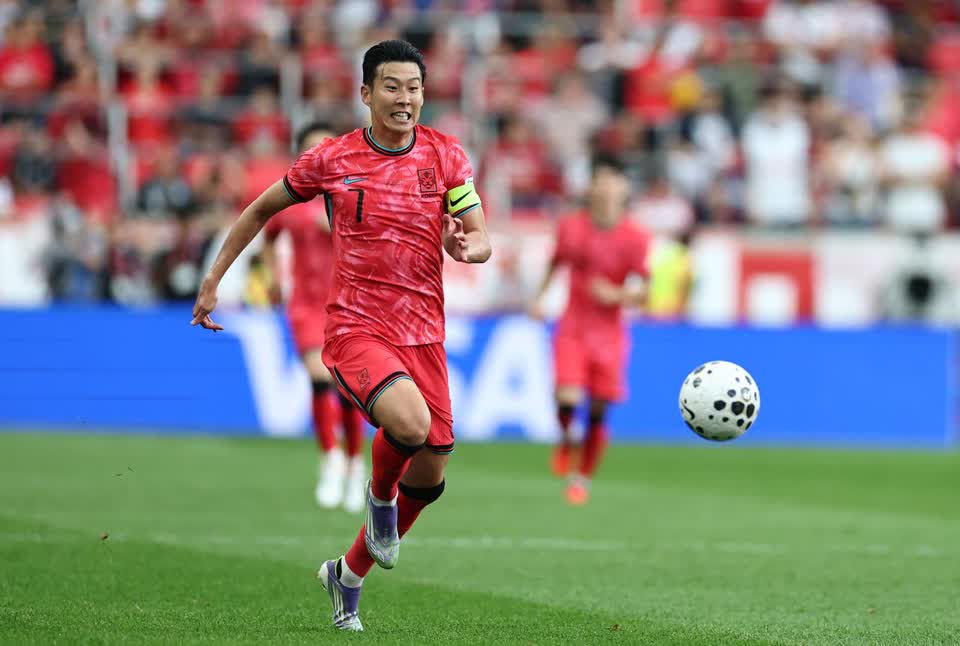
Few Asian footballers have enjoyed a career as successful as Son Heung-min.
The South Korean captain has become a global icon through his achievements in European football and his consistent performances for his national team.
Throughout multiple World Cup campaigns, Son has carried the hopes of an entire nation. Now approaching the latter stages of his career, he hopes to inspire one final memorable run before passing the torch to a new generation.
Mohamed Salah (Egypt – 34 years old)
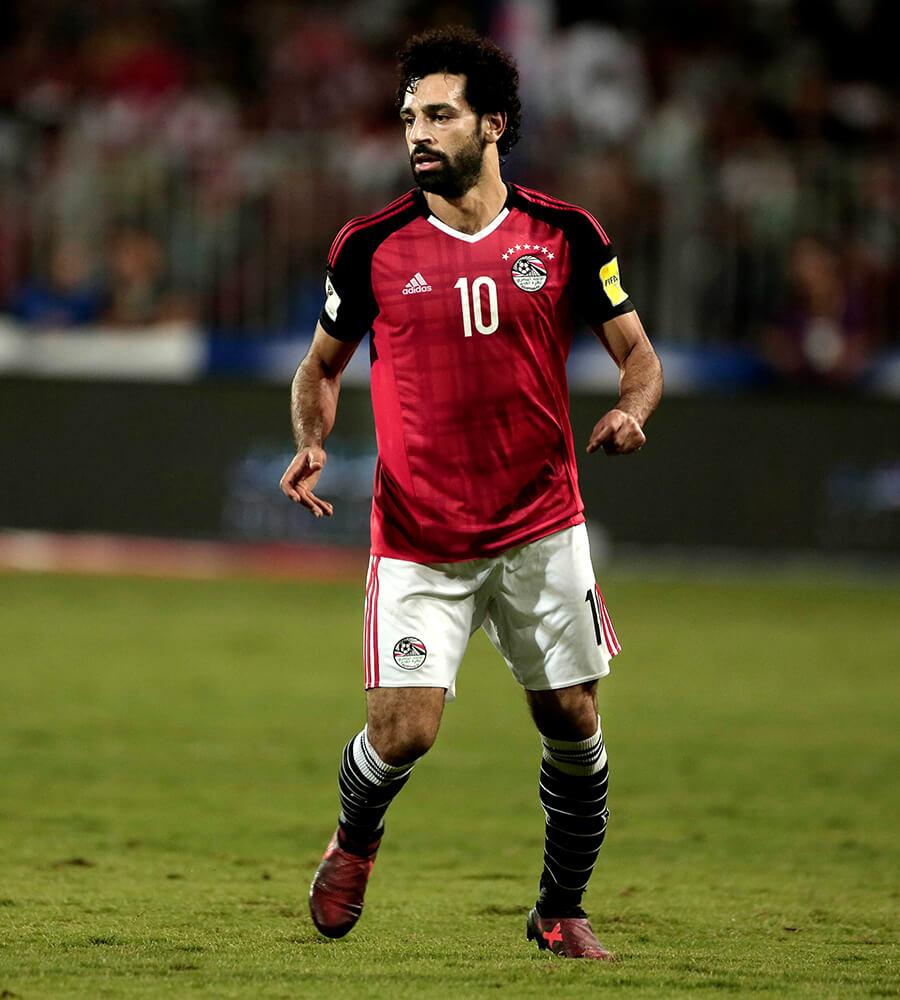
Mohamed Salah’s influence extends far beyond Egypt.
The Liverpool legend has become one of Africa’s greatest footballers and one of the most recognisable faces in world sport.
Although Egypt has rarely been considered among the tournament favourites, Salah’s quality ensures they remain capable of causing problems for any opponent.
For African football fans, this World Cup represents a final opportunity to see one of the continent’s greatest-ever players perform on football’s biggest stage.
Sadio Mané (Senegal – 34 years old)
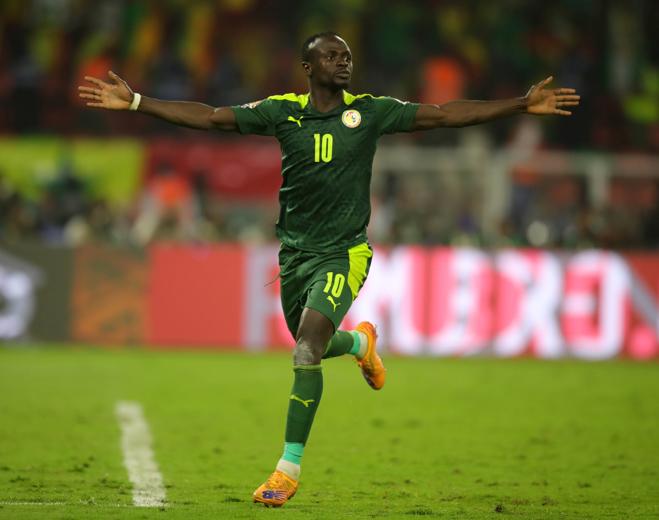
Sadio Mané helped transform Senegal into one of Africa’s strongest football nations.
His goals, leadership and relentless work ethic have inspired a golden generation of Senegalese footballers.
Having already won the Africa Cup of Nations and numerous club honours, Mané enters World Cup 2026 hoping to lead Senegal to their deepest-ever run in the competition.
James Rodríguez (Colombia – 34 years old)
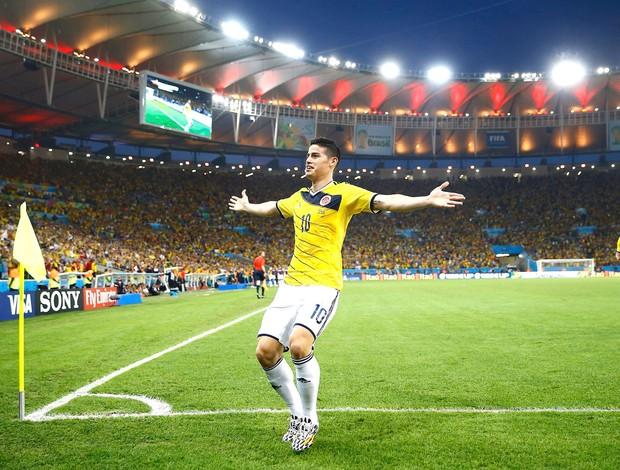
James Rodríguez became a global superstar during the 2014 World Cup.
His stunning performances and unforgettable goals captured the imagination of football fans worldwide.
More than a decade later, he remains one of Colombia’s most influential players. World Cup 2026 could provide one final opportunity for James to remind the world of the talent that once made him one of football’s most exciting stars.
Edin Džeko (Bosnia and Herzegovina – 40 years old)
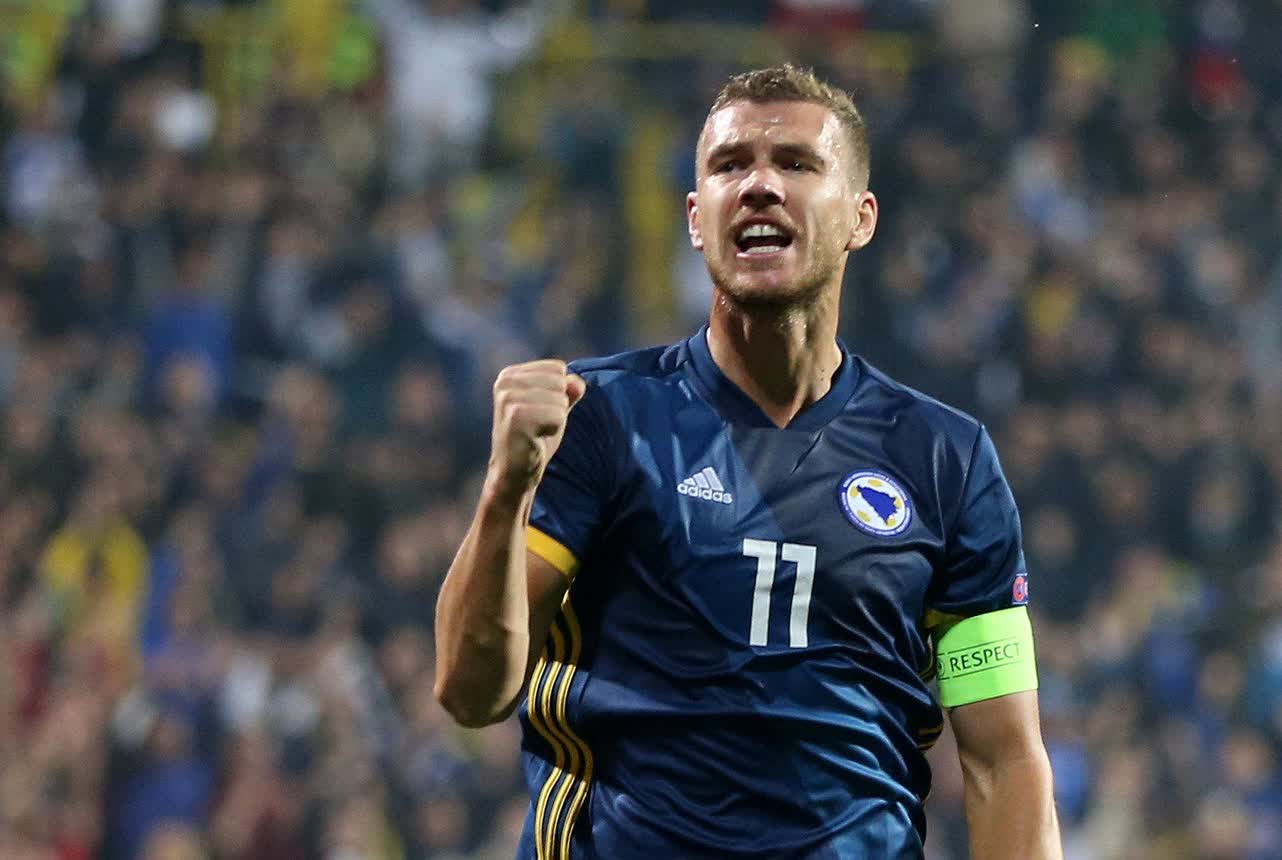
Bosnia and Herzegovina’s greatest-ever footballer finally returns to the World Cup stage.
Edin Džeko has carried his nation for well over a decade, scoring goals at the highest level across Germany, England, Italy and Turkey.
For Bosnian supporters, seeing their iconic captain compete once more on football’s biggest stage is a source of immense pride.
Guillermo Ochoa (Mexico – 40 years old)
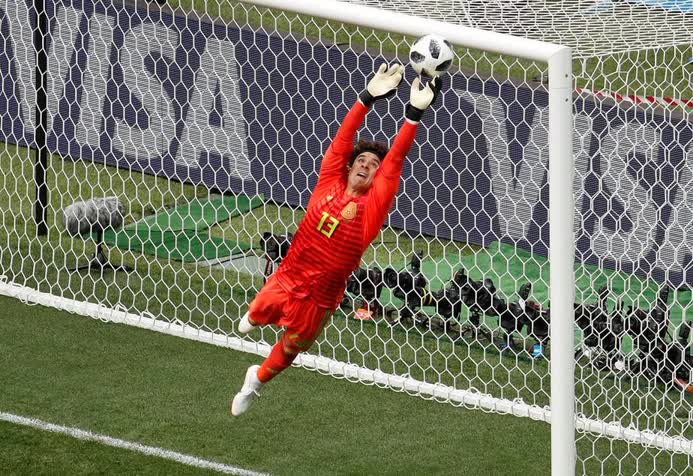
No player symbolises World Cup magic quite like Guillermo Ochoa.
The Mexican goalkeeper has produced some of the tournament’s most memorable goalkeeping displays across multiple editions.
His performances against Brazil in 2014 and Germany in 2018 remain legendary among Mexican supporters.
Competing on home soil, Ochoa’s final World Cup carries extra significance.
Fernando Muslera (Uruguay – 39 years old)
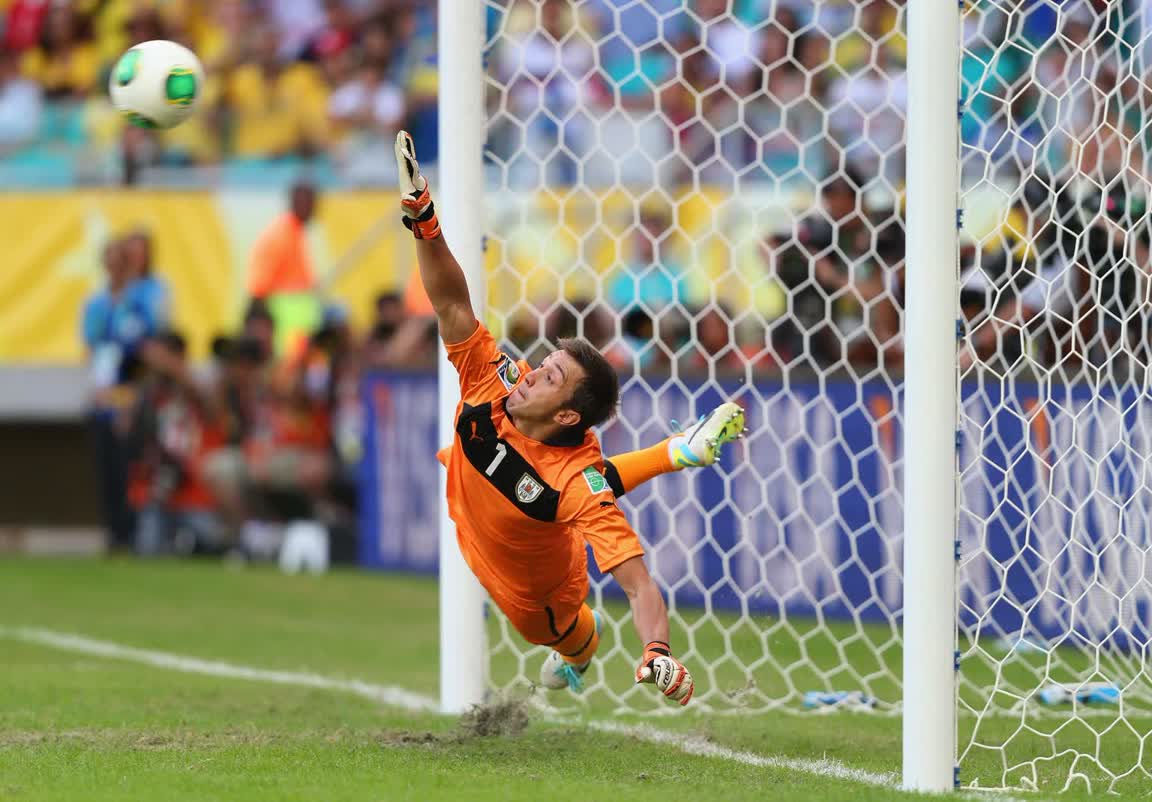
Fernando Muslera has been a cornerstone of Uruguay’s success for nearly two decades.
A veteran of multiple World Cups, he has provided leadership, consistency and experience throughout one of the most successful periods in modern Uruguayan football.
His farewell appearance represents the end of an era for La Celeste. His contemporaries, like Luis Suarez and Edinson Cavani, were not selected.
Nicolás Otamendi (Argentina – 38 years old)
Often overshadowed by Argentina’s attacking stars, Nicolás Otamendi has been a vital figure in the nation’s recent success.
The experienced defender played a crucial role in Argentina’s Copa América and World Cup triumphs, providing leadership and defensive stability.
As one of the last remaining veterans of Argentina’s golden generation, Otamendi’s final World Cup adds another emotional dimension to the defending champions’ campaign.
Ivan Perišić (Croatia)
Overshadowed at times by bigger names, Ivan Perišić has nevertheless established himself as one of Croatia’s greatest-ever players.
Few footballers have consistently delivered in major tournaments quite like Perišić. His goals and assists played crucial roles during Croatia’s historic runs in 2018 and 2022.
Even at 37, he remains a key member of Zlatko Dalić’s squad. Statistics show that Perišić has been directly involved in more goals than any other Croatian player in major international tournaments.
This World Cup represents one final opportunity for the versatile winger to contribute on the grandest stage.
The end of a Golden Generation
Football constantly evolves.
New stars emerge, new rivalries develop and fresh stories capture the imagination of supporters around the world.
However, the 2026 World Cup feels different.
This tournament is LIKELY to mark the final World Cup appearances of Messi, Ronaldo, Neymar, Modrić, De Bruyne, Kane, Neuer, Son, Salah, Mané, James Rodríguez, Džeko, Ochoa, Muslera, Van Dijk, Perisic and Otamendi.
Collectively, they have shaped modern football. Their careers have inspired millions and defined an era that may never be repeated.
Soon, the spotlight will belong entirely to the next generation.
For now, however, the stage remains occupied by legends.
And as the world watches their final dance, football supporters everywhere are reminded to cherish every moment.