
|
Getting your Trinity Audio player ready...
|
The FIFA World Cup has always served as the ultimate stage where established superstars shine and emerging talents announce themselves to the world. While experienced veterans often dominate headlines, every tournament also introduces a new generation of footballers destined to shape the future of the game.
The 2026 FIFA World Cup is no exception. From teenage prodigies already making waves in Europe to rising stars carrying the hopes of their nations, this tournament features an exciting collection of young talents eager to leave their mark on football’s grandest stage.
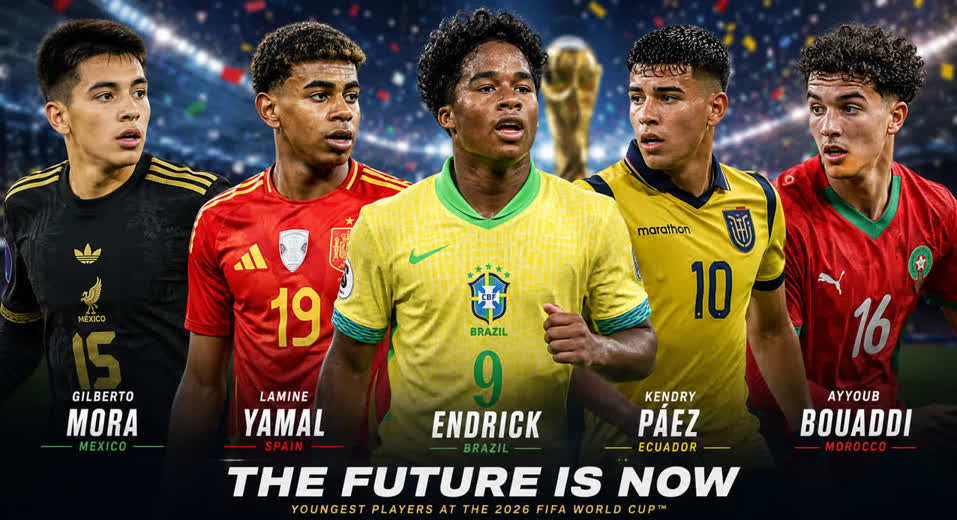
Here, FootballOrbit takes a look at the 19 youngest players participating in the 2026 FIFA World Cup, listed from youngest to oldest.
Note: Ages correct as of 11 June 2026.
1. Gilberto Mora – Mexico (17 years, 240 days)
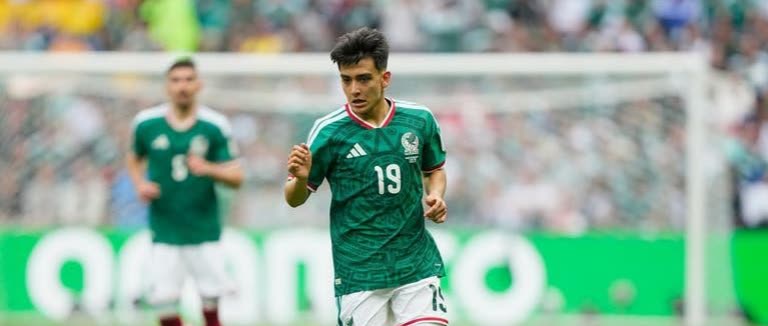
At just 17 years and 240 days old, Gilberto Mora arrives at the World Cup as the youngest player in the tournament.
The Mexican wonderkid has quickly emerged as one of the brightest prospects in North American football.
Blessed with exceptional vision, creativity, and technical ability, Mora has already demonstrated maturity far beyond his years.
Mexico views the Tijuana midfielder as a future cornerstone of El Tri, and the World Cup offers him the perfect platform to accelerate his rise.
Ultimately, Mora made his World Cup debut on 11 June, coming on as a substitute against South Africa in the opening match.
Therefore, setting a record as the youngest Mexican player to feature in the tournament, aged 17 years and 240 days — breaking previous record of Manuel Rosas in 1930.
2. Hugo Sochurek – Czechia (18 years, 4 days)
Only a few days into adulthood when the 2026 World Cup started, Hugo Sochurek represents Czechia’s next generation of football talent.
His inclusion in the squad highlights the faith the national team has placed in his enormous potential.
Sochurek possesses impressive technical qualities and tactical intelligence that have allowed him to progress rapidly through youth levels.
Despite his age, the Slavia Prague youngster enters the tournament with the opportunity to gain invaluable experience against the world’s best players.
3. Ibrahim Mbaye – Senegal (18 years, 138 days)
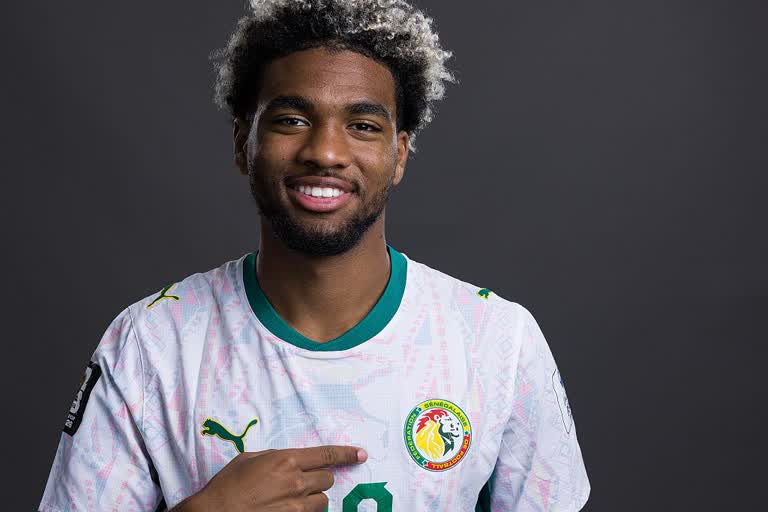
Senegal continues to produce exciting talents, and Ibrahim Mbaye is among the latest names to emerge from the country’s impressive football development system.
In November 2025, the PSG forward became Senegal’s youngest ever goalscorer at 17 years 9 months and 25 days.
A dynamic and fearless attacker, Mbaye combines pace, flair, and confidence on the ball. His ability to take on defenders and create opportunities makes him one of the most exciting young players in Africa.
On the 16th of June, he came on as a substitute and scored in a 3-1 defeat against France on his World Cup debut — becoming at 18 years and 142 days BOTH Senegal’s youngest player and the youngest African goalscorer in FIFA World Cup history.
4. Hamza Abdelkarim – Egypt (18 years, 161 days)
Egypt’s future appears bright with the emergence of Hamza Abdelkarim. The talented youngster has impressed coaches with his technical quality and tactical awareness despite his tender age.
He currently plays for Barcelona B, the reserve team of FC Barcelona.
Abdelkarim’s composure under pressure has made him stand out among his peers, earning him a place in Egypt’s World Cup squad.
Playing alongside experienced internationals should further accelerate his development.
5. Bara Sapoko Ndiaye – Senegal (18 years, 162 days)
Just one day older than Abdelkarim, Bara Sapoko Ndiaye is another representative of Senegal’s thriving youth system.
Ndiaye possesses athleticism, energy, and a strong competitive mentality. His rapid development has made him one of the country’s most highly regarded prospects, thus earning him a move to Bayern Munich
The World Cup provides a unique opportunity for him to showcase his talent on football’s biggest platform.
6. Mladen Jurkas – Bosnia and Herzegovina (18 years, 247 days)
Bosnia and Herzegovina’s qualification campaign featured several emerging talents, with Mladen Jurkas standing out among the youngest.
The goalkeeper displays maturity beyond his years, a trait that has helped him establish himself despite his age.
His inclusion reflects Bosnia’s commitment to building for both the present and the future.
7. Ayyoub Bouaddi – Morocco (18 years, 252 days)
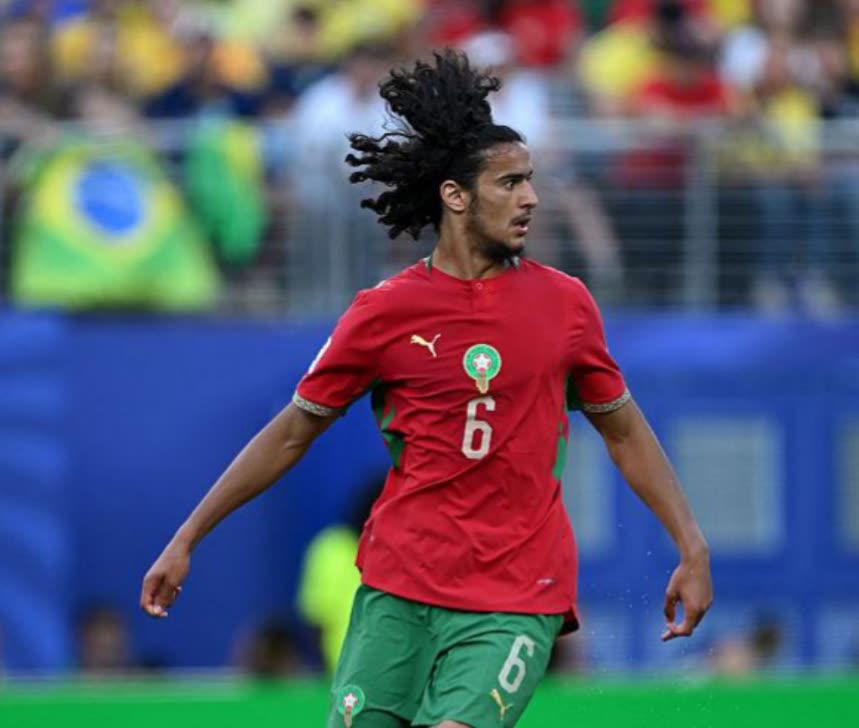
Morocco’s remarkable rise in international football continues with the emergence of gifted youngsters like Ayyoub Bouaddi.
Known for his intelligence, composure, and versatility, Bouaddi has earned praise from coaches and scouts alike. The Lille midfielder is currently a hot subject of transfer among Europe’s top clubs.
He represents the next chapter of Morocco’s golden generation and could become a key figure for the Atlas Lions in the years ahead.
The 18-year-old made his FIFA World Cup debut in the opening match against Brazil, which ended in a 1-1 draw. His performance was widely praised by fans and several media outlets, who highlighted his composure, work rate, and impact throughout the match.
8. Kerim Alajbegovic – Bosnia and Herzegovina (18 years, 263 days)
Another exciting Bosnian prospect, Kerim Alajbegovic enters the tournament carrying significant expectations.
Creative, technically gifted, and confident in possession, Alajbegovic has already demonstrated the qualities needed to succeed at the highest level.
The World Cup offers him a priceless opportunity to gain experience against elite opposition.
The soon-to-be Bayern Leverkusen winger made his tournament debut in the opening group game against Canada on 12 June.
9. Rayan Elloumi – Tunisia (18 years, 267 days)
Tunisia has a rich tradition of developing technically proficient players, and Rayan Elloumi is widely regarded as one of the nation’s brightest young talents.
Elloumi’s creativity and attacking instincts make him an exciting player to watch. While still developing, his inclusion in the squad signals Tunisia’s confidence in his long-term potential.
10. Lucas Herrington – Australia (18 years, 279 days)
Australia’s football future looks increasingly promising, and Lucas Herrington is among the most exciting names emerging from the country’s talent pool.
The defender has impressed with his athleticism, work rate, and tactical discipline. His development reflects the growing strength of Australian youth football and its ability to produce players capable of competing on the world stage.
11. Behruzjon Karimov – Uzbekistan (18 years, 308 days)
Uzbekistan’s historic qualification campaign has brought increased attention to the nation’s young talents, including Behruzjon Karimov.
The teenager has earned recognition for his technical skills and maturity beyond his years.
His presence in the squad symbolizes the progress Uzbekistan has made in developing elite-level footballers.
12. Lamine Yamal – Spain (18 years, 333 days)
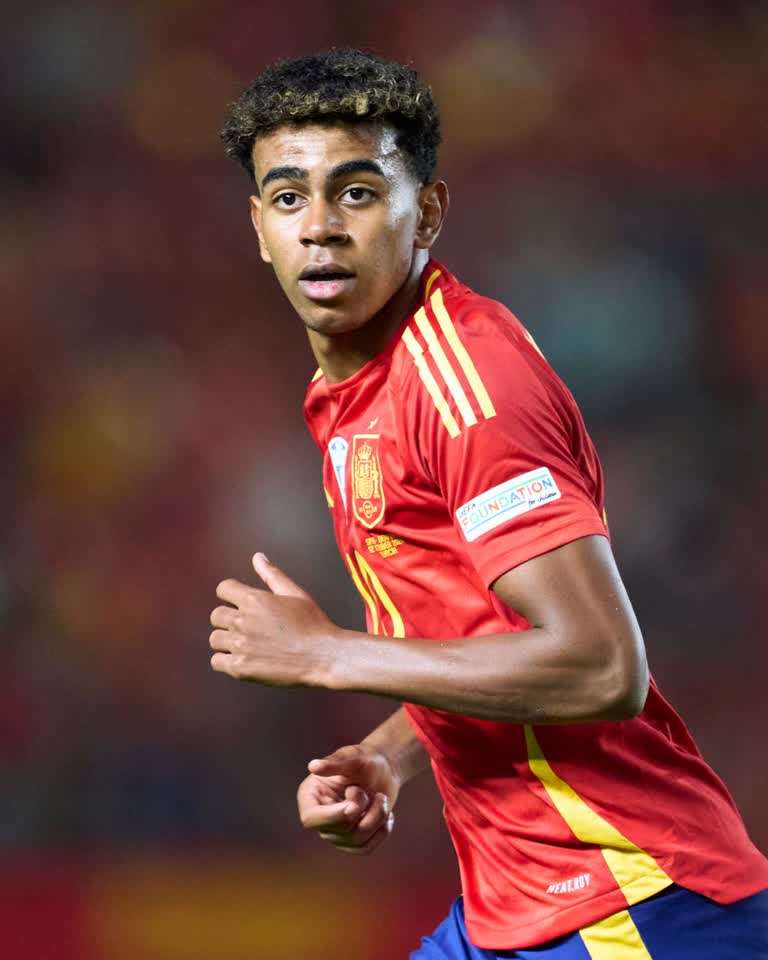
Already one of football’s biggest stars despite his age, Lamine Yamal enters the tournament with enormous expectations.
The Spanish sensation has dazzled fans with his dribbling ability, creativity, and composure in high-pressure situations.
Having already established himself among Europe’s elite players, Yamal is expected to play a leading role in Spain’s pursuit of World Cup glory.
Remarkably, despite his growing list of achievements, he remains one of the youngest players at the tournament.
Eventually, Yamal scored his first World Cup goal against Saudi Arabia in a 4-0 win on 21 June — becoming only the second player aged 18 or younger to score the opening goal in a World Cup match since Pelé in 1958.
13. Kendry Páez – Ecuador (19 years, 38 days)
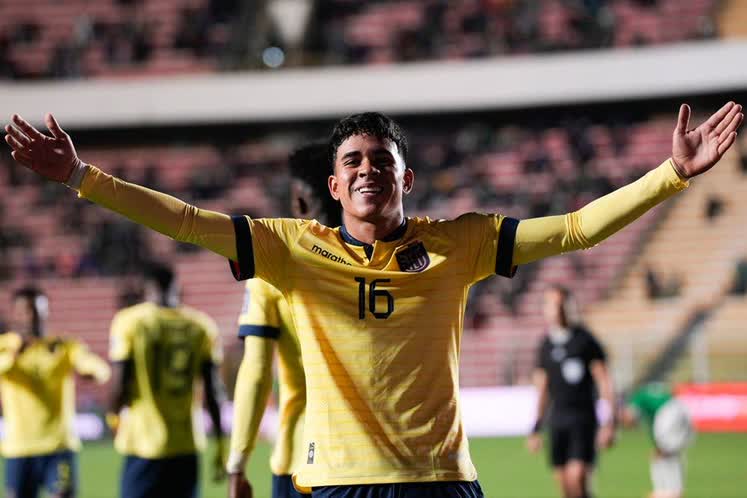
Ecuador’s football renaissance has produced several exciting talents, and Kendry Páez sits at the forefront of that movement.
Known for his exceptional technical ability, vision, and creativity, Páez has been regarded as a future star for several years.
The World Cup presents the perfect opportunity for the Chelsea youngster to demonstrate his abilities on the biggest stage in football.
14. Tyler Fletcher – Scotland (19 years, 84 days)
The son of Manchester United legend, Darren Fletcher. Tyler Fletcher also plays for the Red Devils and represents Scotland’s new generation of talent.
The young midfielder has earned praise for his energy, intelligence, and ability to influence matches in multiple areas of the pitch.
His late inclusion to replace the injured Billy Gilmour reflects Scotland’s growing confidence in youth development and its ambition
to remain competitive at the highest level.
15. Luka Vušković – Croatia (19 years, 107 days)
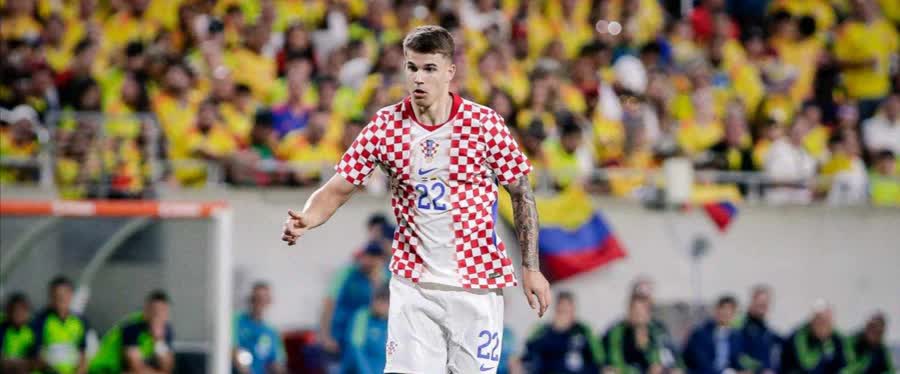
Croatia has built a reputation for producing world-class footballers, and Luka Vušković appears destined to continue that tradition.
The highly rated defender combines physical strength with impressive technical qualities.
Many observers consider him one of the finest defensive prospects in world football, making him one of the most intriguing young players at the tournament.
The Tottenham centre-back played his first game at the 2026 FIFA World Cup against England to become the youngest Croatian World Cup player in history.
16. Pau Cubarsí – Spain (19 years, 140 days)
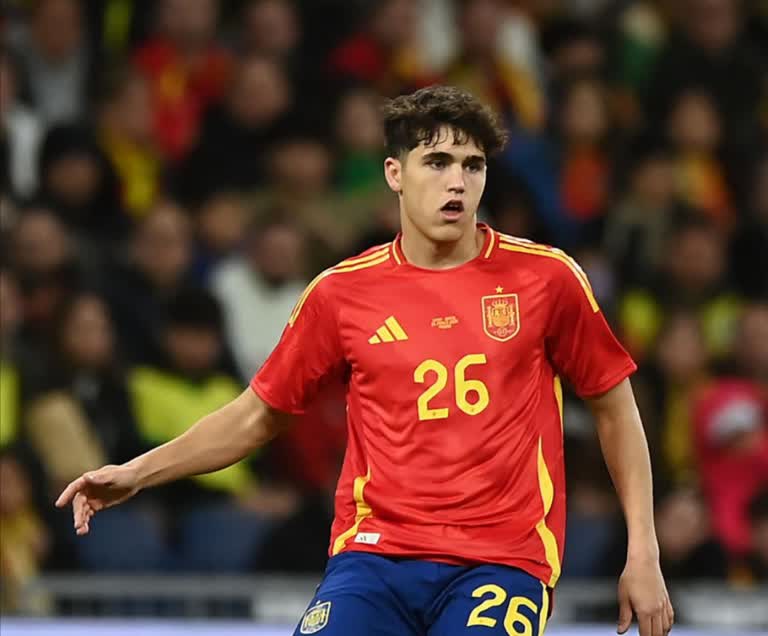
Spain’s squad boasts another teenage sensation in Pau Cubarsí. The elegant defender has earned widespread acclaim for his composure, positioning, and maturity.
Despite his youth, Cubarsí plays with the confidence and understanding of a seasoned professional.
His performances for Barcelona have already attracted significant attention, and the World Cup could further elevate his reputation.
17. Yan Diomande – Côte d’Ivoire (19 years, 209 days)
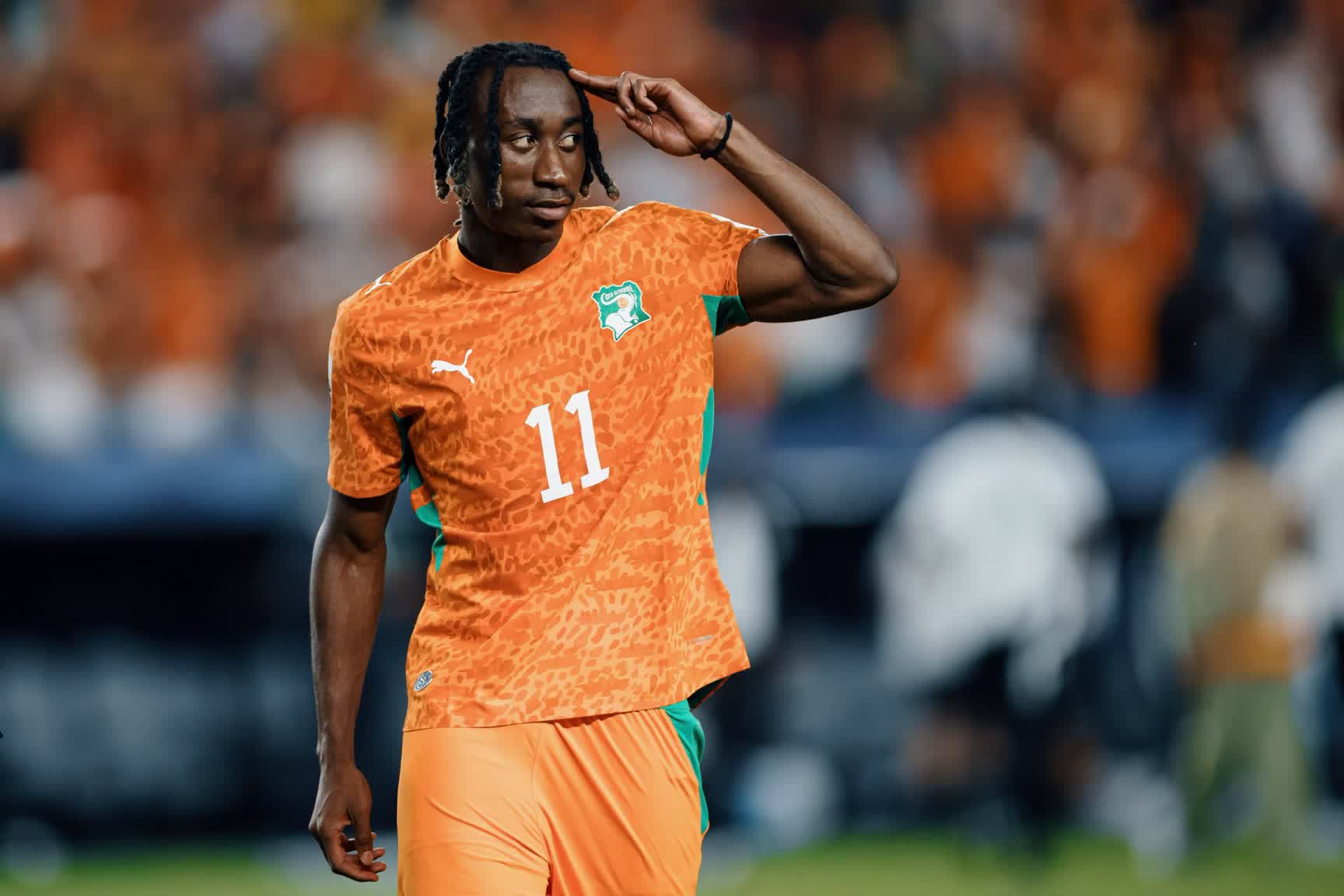
Yan Diomande represents the latest wave of talented footballers emerging from Côte d’Ivoire.
Possessing pace, skill, and attacking flair, Diomande has all the attributes required to excite supporters and trouble defenders.
The RB Leipzig winger is already a subject of transfer tussles among Europe’s biggest clubs. His performances will be closely monitored throughout the tournament.
Diomande started Ivory Coast’s opening match against Ecuador, which ended in a 1-0 victory, and was named man of the match for his scintillating performance.
Moreover, he became the youngest player to appear for his country at a World Cup at 19 years and 212 days.
18. Rayan – Brazil (19 years, 312 days)
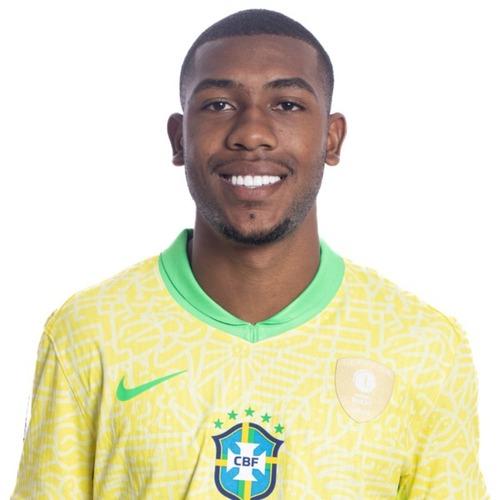
Brazil’s production line of attacking talent never seems to stop, and Rayan is the latest exciting prospect to emerge.
The young forward combines speed, technique, and creativity, qualities synonymous with Brazilian football. He joined Bournemouth in January 2026 and immediately set the Premier League alight with his dazzling displays.
While competition for places is fierce, Rayan has the potential to become one of the Brazil’s next major stars.
19. Endrick – Brazil (19 years, 325 days)
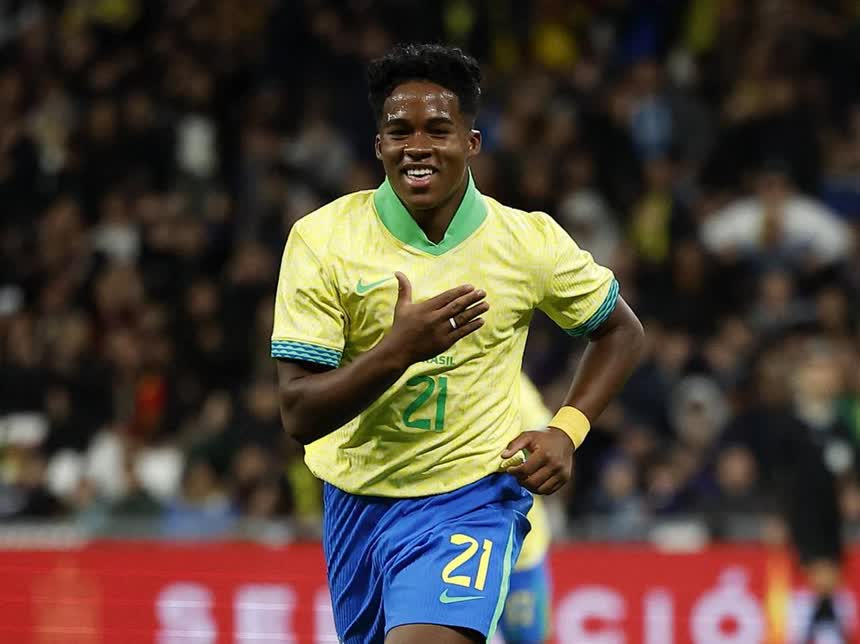
Rounding out the list is Endrick, a player already familiar to football fans around the world.
The Brazilian wonderkid has been regarded as one of the game’s brightest talents since his early teenage years.
This eventually earned him a move to Real Madrid.
His powerful finishing, explosive acceleration, and fearless approach have drawn comparisons to some of Brazil’s greatest forwards.
Yet at just 19 years and 325 days old, he remains among the youngest participants in the 2026 tournament.
Endrick made his first World Cup appearance on 19 June 2026 against Haiti in the second group stage match, replacing Matheus Cunha as a substitute.
The future is already here
The 2026 FIFA World Cup showcases a remarkable collection of young talent from every corner of the globe. From Mexico’s Gilberto Mora becoming the tournament’s youngest player to globally recognized stars like Lamine Yamal and Endrick, these teenagers represent the future of international football.
Some will use the tournament as a learning experience, while others may emerge as household names before the final whistle of the competition.
Regardless of their individual journeys, each player embodies the promise, ambition, and excitement that make the World Cup such a unique spectacle.
As football enters a new era, with the old guard departing, the 2026 FIFA World Cup may ultimately be remembered as the tournament where the game’s next generation truly arrived.