|
Getting your Trinity Audio player ready...
|
If the World Cup was a company, it would be in the Fortune 500.
Every four years, FIFA runs the world’s most-watched event. But behind the goals, chants, and viral moments is a commercial engine that turns 104 matches into $13 billion.
For the 2026 cycle across the U.S., Canada, and Mexico, that number is real. It’s up 85% from Qatar 2022’s $7.5B, and almost 3x Russia 2018’s $5.3B.
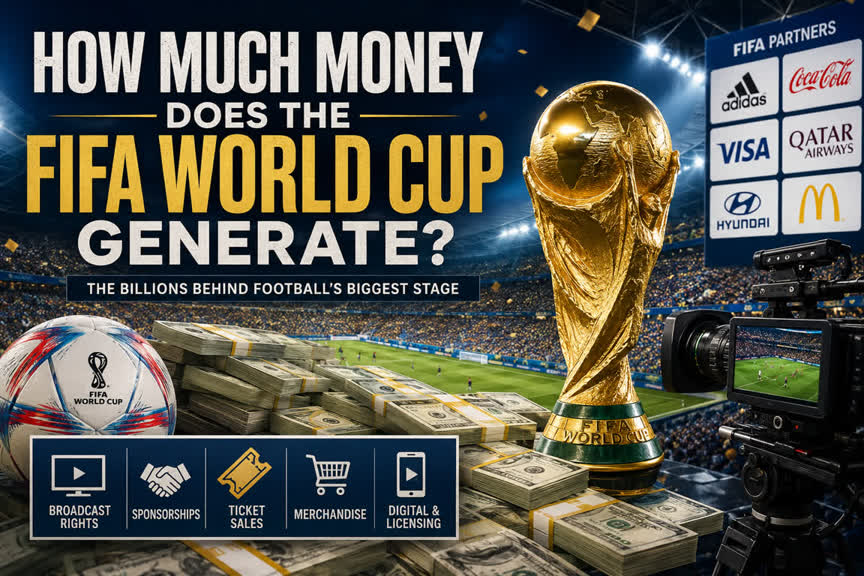
So how does a non-profit organization make that kind of money from a sport? The answer is simple: FIFA owns the world’s biggest stage, and it sells access to it in 4 different ways.
Let’s pull back the curtain. FootballOrbit takes you through how football’s governing body rakes in revenue with the global mundial.
The Big Picture: $13 Billion in 4 Years
FIFA works on a 4-year commercial cycle. Everything from 2023 to 2026 leads into the next World Cup.
FIFA 2026 Revenue Projection: $10.9B – $13B
FIFA 2022 Actual: $7.5B
FIFA 2018 Actual: $5.3B
That’s nearly a 150% jump in 8 years.
Why the spike for 2026? Three things:
- Expansion: 48 teams instead of 32. 104 matches instead of 64.
- Location: A North American market with huge TV money and corporate sponsors.
- New products: Dynamic ticket pricing, more hospitality, crypto deals, halftime shows.
But the money doesn’t come from one single source. It’s split into 4 main pillars.
Pillar 1: Broadcasting Rights – The Foundation | ∼$4.3 Billion
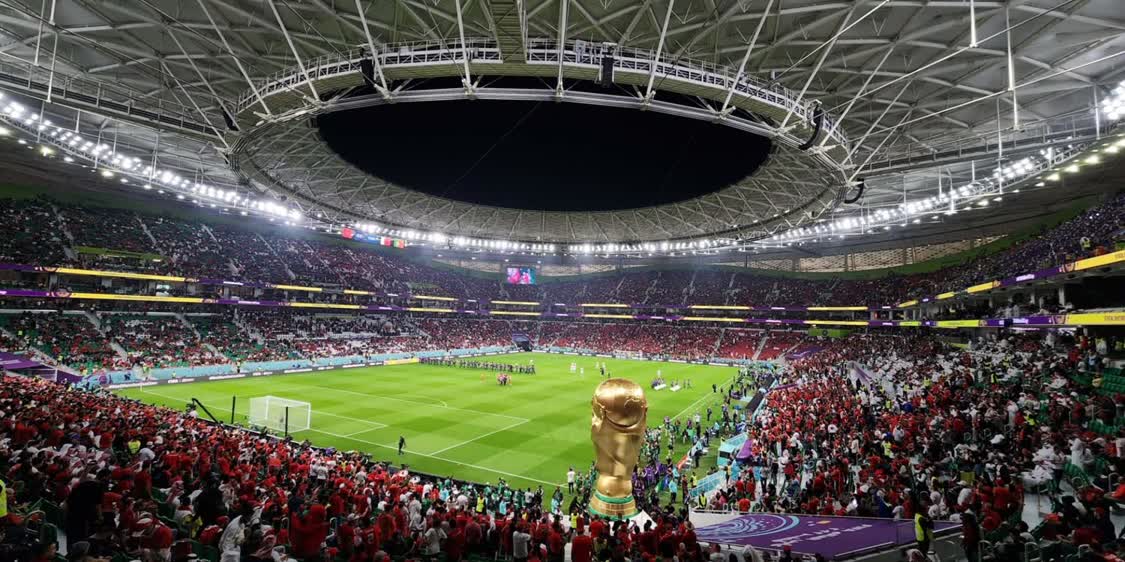
Share of revenue: ∼40-45%
If the World Cup is a house, TV rights are the foundation. Without it, nothing else stands.
How it works: FIFA sells the right to show every match, territory by territory. BBC and ITV for the UK. Fox and Telemundo for the U.S. beIN Sports for MENA. Globo for Brazil. 200+ countries total.
The numbers for 2026: $4.2B – $4.3B projected
That’s up from ∼$3.1B – $3.4B in the Qatar cycle.
Three reasons why broadcasters pay more in 2026:
1. The audience is insane
The Argentina vs France Final in 2022 hit 1.5 billion viewers! For advertisers, that’s the Super Bowl x10!!! Networks can charge brands millions per 30-second slot. So they pay FIFA first.
2. North America = Ad money
U.S. rights alone jumped 94% compared to 2022. Fox paid a reported $425M for 2022. For 2026, with 3 host nations and primetime U.S. kickoffs, that number is way higher. The U.S. market is the most valuable in sports TV.
3. More ad time, by design
FIFA introduced calculated “hydration breaks” for 2026. 3 minutes per half. Doesn’t sound like much. But across 104 matches, that’s hours of extra primetime inventory. Networks can sell those slots for up to $750,000 per 30 seconds.
The trade-off: The total number of global broadcast deals actually fell ∼11%. Why? Kickoff times in North America are overnight in Europe and Asia. That hurts ratings there. So FIFA shifted strategy: fewer partners, but much bigger, higher-value deals. Quality over quantity.
Bottom line: TV is guaranteed, risk-free money for FIFA. It’s booked years before a ball is kicked.
Pillar 2: Sponsorship & Marketing – Selling Prestige | ∼$2.8B – $3.8B
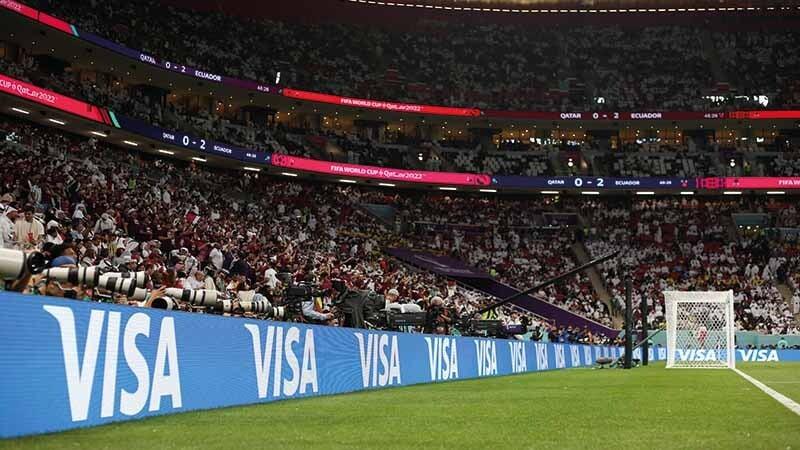
Share of revenue: ∼29%
Growth vs 2022: +37%
If TV buys the audience, sponsors buy the association.
FIFA doesn’t sell one sponsorship. It sells a pyramid.
The 3-Tier Sponsorship Pyramid
| Tier | What You Get | Who’s In for 2026 | Estimated Cost |
| FIFA Partners | Global rights to all FIFA events. Logo on everything. | Adidas, Coca-Cola, Visa, Qatar Airways, Hyundai/Kia | $150M – $200M per cycle |
| World Cup Sponsors | Rights only for the World Cup tournament itself | BudweiserMcDonald’s | $50M – $75M per year |
| Regional Supporters | Rights only in 1 host continent | North American brands | $10M – $25M |
Why brands pay: The World Cup is the only event that gives you every continent at once. You can’t buy that reach with ads.
For 2026, FIFA did something it’s never done before: It sold out all 16 global slots! Even a CRYPTO EXCHANGE is now an “Official Partner” for the first time. That tells you how aggressive FIFA’s commercial team has been.
Beyond logos: Sponsors also fund fan zones, digital campaigns, and official merchandise. So FIFA gets paid, and the sponsor activates to fans directly. It’s a loop.
Pillar 3: Ticketing & Hospitality – The Fastest-Growing Goldmine | ∼$3 Billion
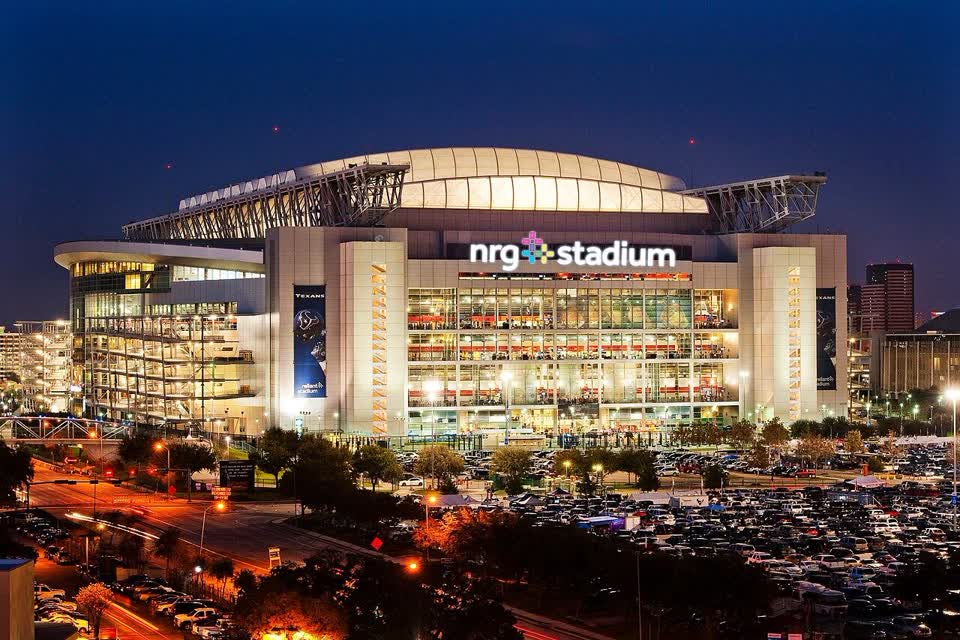
Share of revenue: ∼23%
Growth vs 2022: +216% to +220%!!!
This is the most dramatic jump of all 4 pillars. Qatar 2022 did ∼$950M. 2026 is projected at *$3B!
What changed? Two things:
1. The format got bigger
64 matches → 104 matches. That’s 40 extra games to sell. More cities. More stadiums. More capacity. Simple math, huge impact.
2. FIFA got smarter about pricing
Gone are the days of one fixed ticket price. 2026 uses dynamic pricing, like airlines. Demand goes up, price goes up.
Example: A Category 1 seat for the 2022 Final was ∼$1,600. For 2026, premium games will likely go higher. But the real money isn’t in standard seats.
Hospitality is where margins explode.
FIFA used to outsource this to companies like MATCH Hospitality. Now it runs it in-house.
Hospitality package = Premium seat + champagne + buffet + lounge access. Prices start at $1,000 and go past $5,000 per person for finals and semis.
One corporate guest in a hospitality box can equal 10 normal fans in revenue. FIFA turned the stadium into a luxury product.
Add-ons: New in-game advertising boards and a Super Bowl-style halftime show create more commercial inventory inside the stadium too.
Pillar 4: Licensing & Merchandising – Profit from air | ∼$670M+
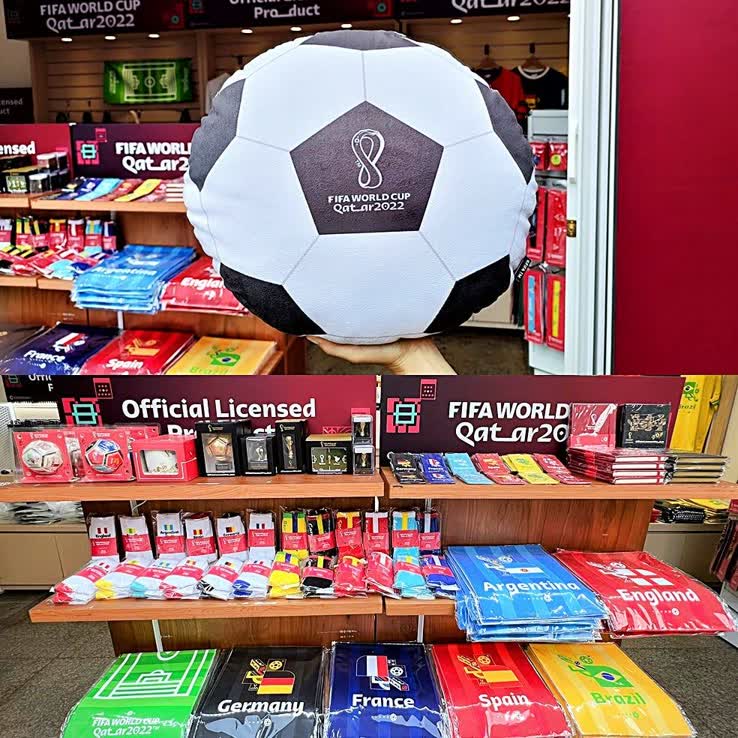
Share of revenue: ∼5%
Growth 2018→2022: +28%
This is the “theft-proof goldmine.” It costs FIFA almost nothing, but makes hundreds of millions.
What is licensing? FIFA owns the trademarks. The logo. The trophy silhouette. The mascot. The official match ball design.
Who pays FIFA to use it:
- Apparel: Adidas pays royalties on every official national team jersey sold.
- Collectibles: Panini pays for sticker albums.
- Gaming: EA Sports pays for the exclusive right to put the World Cup in FC games.
- Everything else: Keychains, flags, foam fingers, mugs, digital collectibles, NFTs.
Once the design is approved, the cost to make a jersey or sticker is tiny. The royalty to FIFA is almost 100% profit. Margins here often exceed 90%.
Digital is the new frontier. For 2026, FIFA is pushing blockchain-based ticketing and digital collectibles. That’s revenue with zero shipping, zero stock, zero waste.
Where does all the money go? FIFA’s $11B+ bill
FIFA is registered as a non-profit in Switzerland. It can’t pay dividends to shareholders. So where does $13B go?
1. Running the tournament: ∼$3.8 Billion
This covers logistics for 104 matches across 3 countries. Stadiums, security, referees, VAR, broadcast production, staff, travel. It’s the most expensive World Cup to stage ever.
2. Prize money for teams: $688 Million
+65% vs Qatar 2022’s $440M
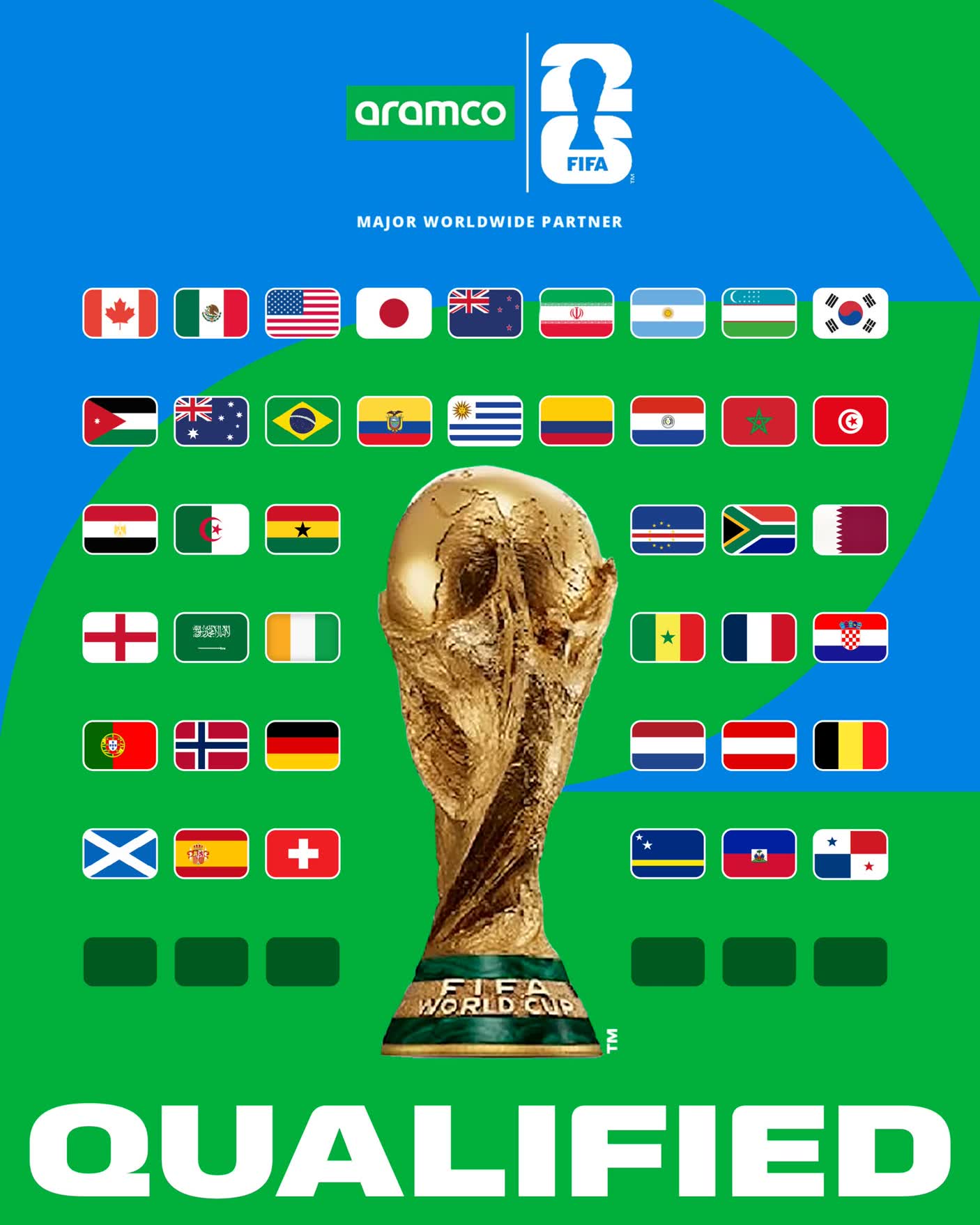
Every one of the 48 qualified nations gets at least $12.5 million just for showing up. The winners take home nearly $40 million. This money is meant to fund national team programs.
3. Club Benefits Programme: $355 Million
+70% vs last cycle
Clubs get paid when their players go to the World Cup. Why? Because they’re risking injury and losing players mid-season. For 2026, that pool is $355M.
4. Football development: $11.67 Billion via FIFA Forward
This is the biggest line item. Money goes to FIFA’s 211 member associations to build pitches, fund academies, pay coaches, and grow women’s and youth football.
The controversy: Critics argue that $11B sounds huge, but spread across 211 countries over 4 years, the per-association amount is modest compared to FIFA’s commercial revenue. The gap between FIFA’s billions and grassroots funding, especially in Africa and Asia, is a constant debate.
The economic paradox: FIFA wins, hosts take the risk
Here’s the part most fans don’t see.
FIFA’s model: Low cost, high revenue. FIFA doesn’t build stadiums. It doesn’t build roads or airports. It sells rights and takes a cut.
Host nation’s model: High cost, uncertain return. Qatar spent an estimated $220 billion on stadiums, metro lines, and hotels for 2022. Most of that was national development, not just football.
What hosts get back:
- Tourism: 6.5 million fans expected in North America for 2026. Hotels, flights, food, taxis all boom.
- Exposure: A month-long ad for the host countries to the world.
- *Infrastructure: New stadiums and transport that stay after the tournament.
The reality: Independent economists say the long-term GDP boost for hosts is often smaller than projected. Local businesses make money for a month. FIFA makes money for 4 years.
As one analyst put it: “FIFA is the clear economic winner because it controls the tournament’s most valuable and scalable revenue streams. The host carries the risk.”
2026: Why this World Cup will break every record
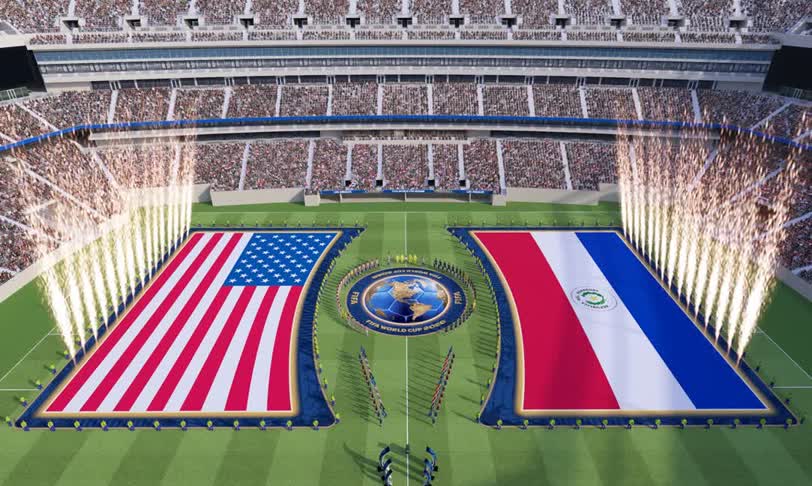
Put it all together and 2026 looks different from anything before.
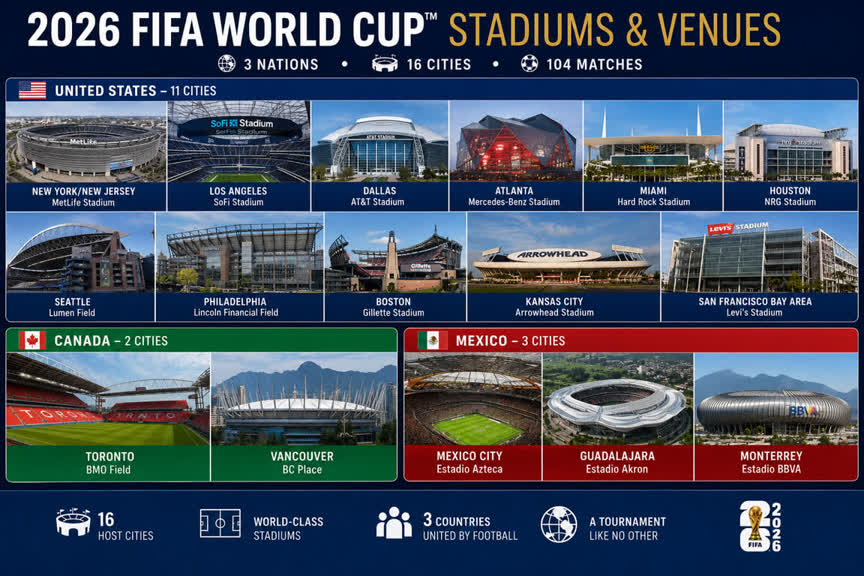
- Scale: 48 teams, 104 matches, 16 cities across 3 countries. More inventory = more revenue.
- Market: The U.S., Canada, and Mexico have the biggest sports economy on earth. Bigger TV deals. Bigger sponsors. Bigger ticket prices.
- Innovation: Hydration breaks, dynamic pricing, in-house hospitality, crypto partners, halftime shows. FIFA is monetizing more corners of the event.
Estimates: FIFA revenue $13B. Total economic impact across host cities: $14B. Global GDP ripple effect: $40B+.
The bottom line
The FIFA World Cup stopped being just football a long time ago.
It’s now a blueprint for modern sports business. Own a fixed, irreplaceable cultural moment. Then sell it in layers.
Layer 1: To broadcasters who need content.
Layer 2: To brands who need relevance.
Layer 3: To fans who need tickets and memories.
Layer 4: To manufacturers who need authenticity.
With 2026 expanding the product, that formula is about to hit its peak. Whether FIFA can keep growing it forever is the next question.