|
Getting your Trinity Audio player ready...
|
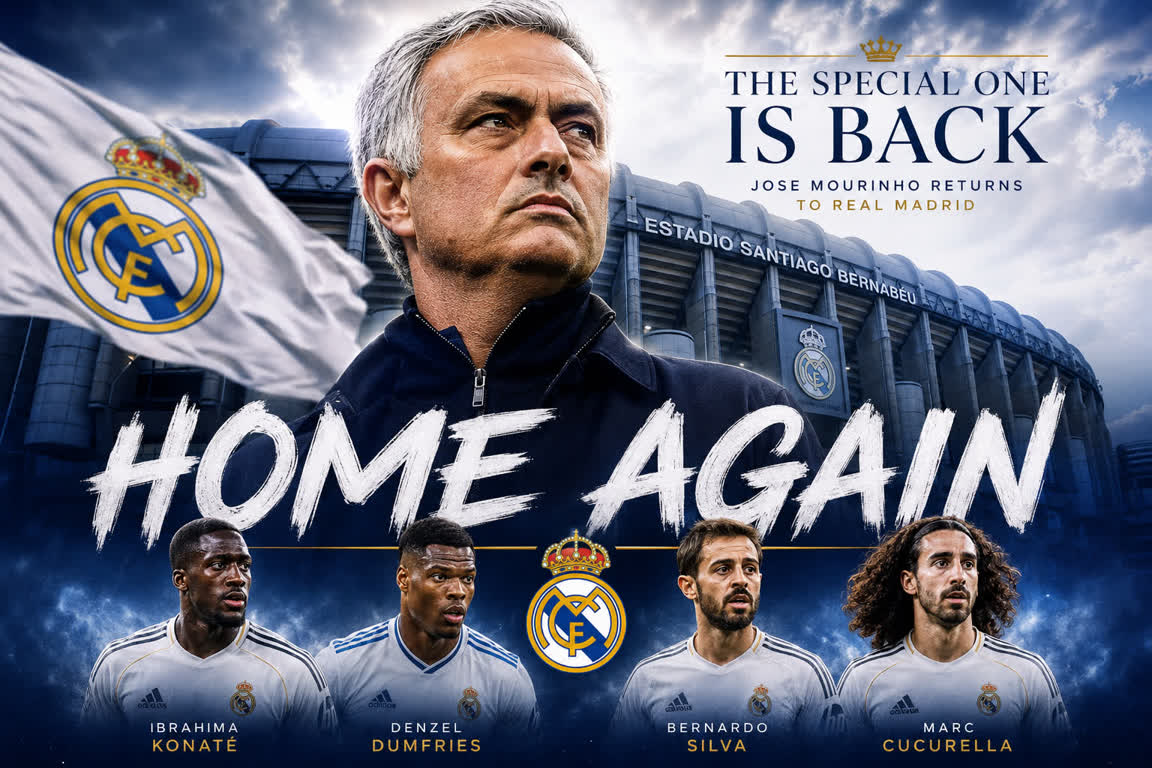
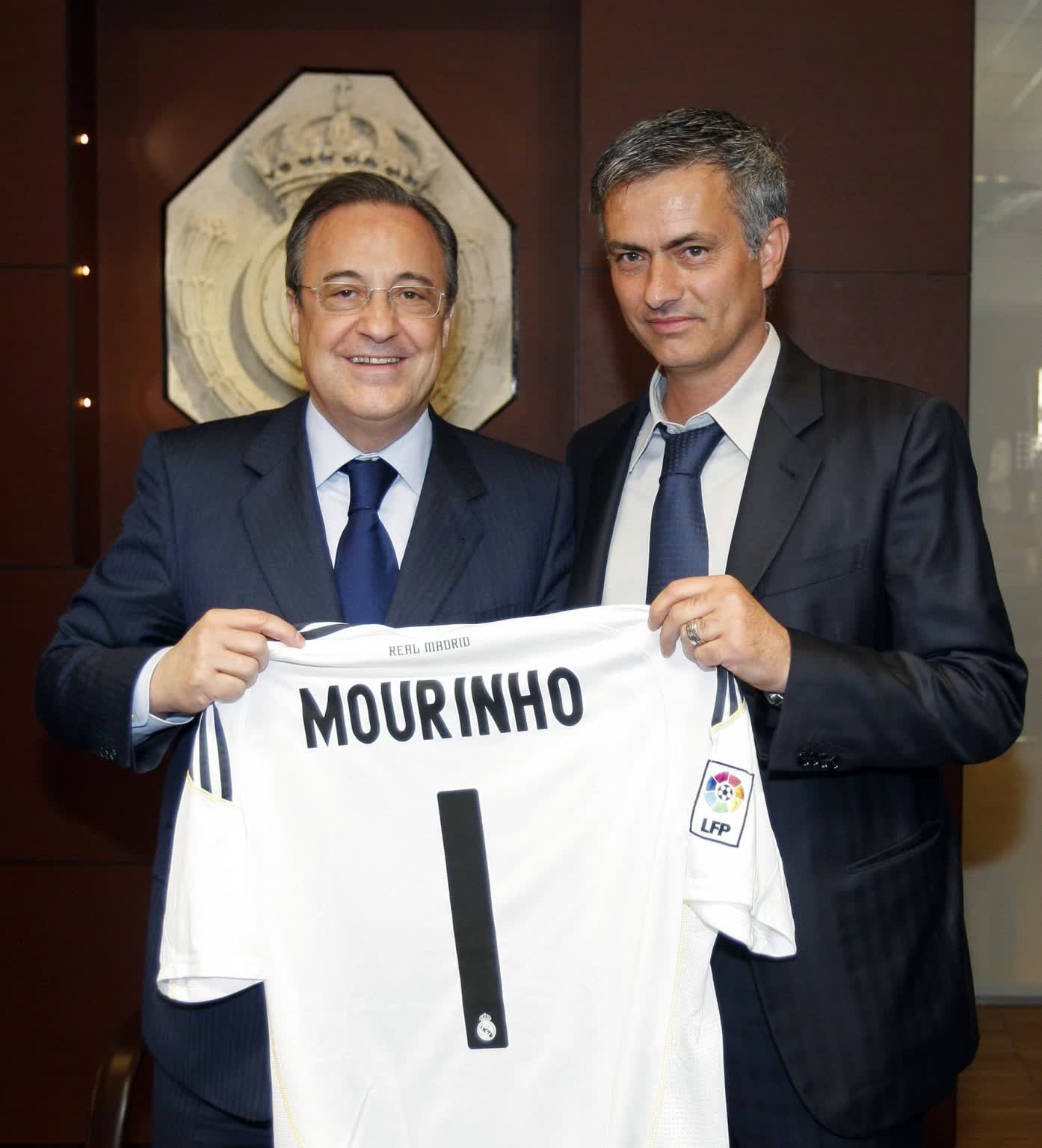
Thirteen years after walking away from the Santiago Bernabéu, José Mourinho is back. In one of the most dramatic managerial appointments in modern football, Real Madrid have officially reappointed Mourinho on a three-year contract until 2029, handing the Portuguese tactician the responsibility of restoring the club to the summit of European football after a disappointing trophyless campaign.
For many Madridistas, this is more than a managerial appointment. It is the return of a figure who transformed the mentality of the club during one of the most challenging periods in its modern history.
The Mourinho who left Madrid in 2013 was a fiery, confrontational coach obsessed with winning. The Mourinho returning in 2026 is a veteran strategist carrying decades of experience, numerous league titles, European trophies and the scars of football’s highest-pressure environments.
The question now is simple:
Can The Special One deliver one final masterpiece at the club where he helped lay the foundations for an era of dominance?
FootballOrbit takes you through the legendary Portuguese manager’s journey so far and what to anticipate from his Madrid return
The journey of José Mourinho: From translator to football royalty
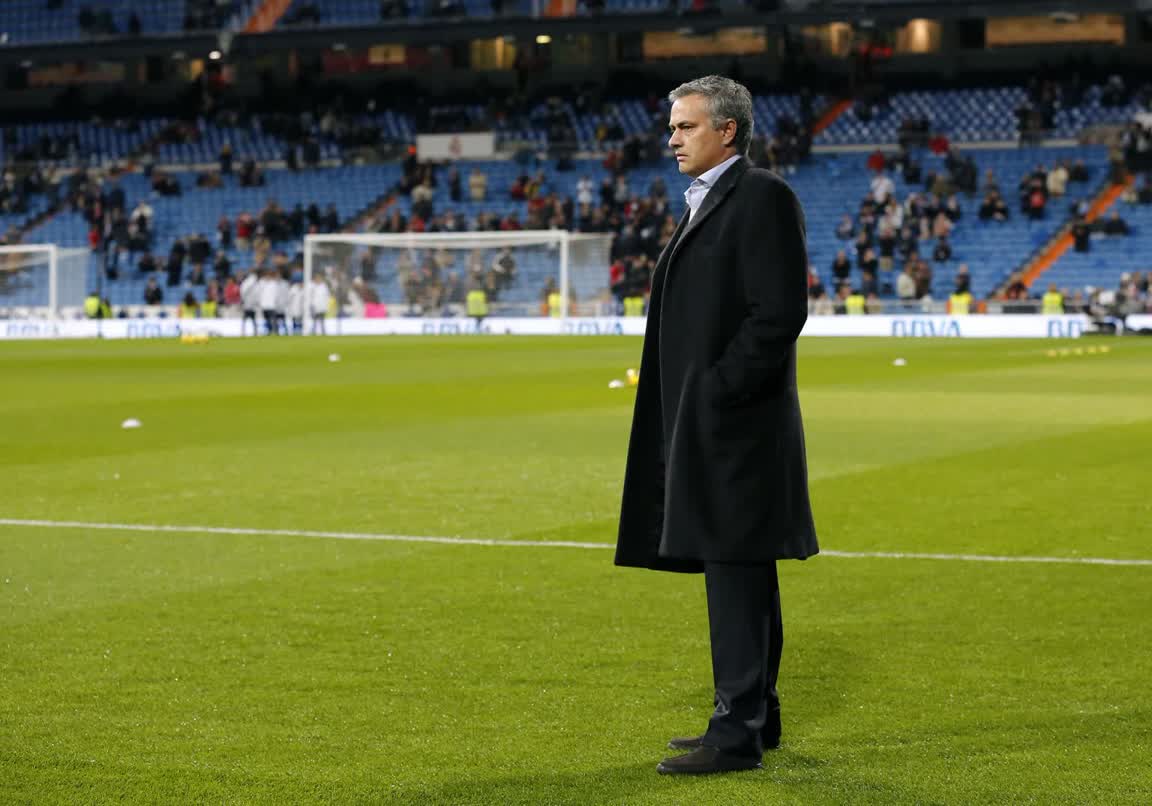
Before becoming one of football’s most influential managers, Mourinho’s story began far from the spotlight.
Born in Setúbal, Portugal, Mourinho initially pursued a modest playing career before discovering his true calling on the training ground.
His breakthrough came when he worked as an interpreter and assistant for the legendary Bobby Robson at Sporting CP, Porto and Barcelona.
Rather than simply translating words, Mourinho absorbed tactical concepts, man-management techniques and elite-level preparation.
When he eventually stepped into management himself, success arrived rapidly.
Porto: The birth of The Special One
At Porto, Mourinho stunned European football.
He won:
- Two Portuguese league titles
- UEFA Cup (2003)
- UEFA Champions League (2004)
His Porto side combined tactical discipline, defensive organisation and devastating counter-attacking football.
By 2004, Europe had a new managerial superstar.
Chelsea: Conquering England
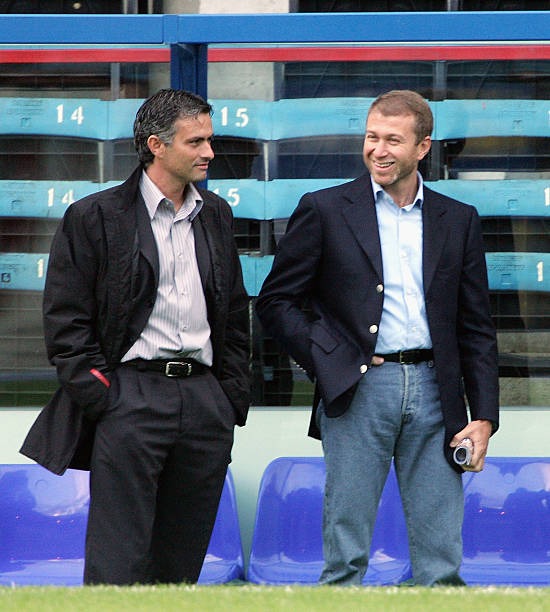
Mourinho’s arrival at Chelsea changed English football.
Declaring himself “The Special One” during his unveiling, he immediately backed up the confidence with results.
He won:
- Two Premier League titles
- FA Cup
- Two League Cups
- Community Shield
His first Chelsea side became one of the greatest defensive teams in Premier League history.
Inter Milan: The Treble
If Porto introduced Mourinho to the world, Inter elevated him into football immortality.
At Inter Milan he delivered:
- Serie A title
- Coppa Italia
- UEFA Champions League
Moreover, the historic 2010 treble remains one of football’s greatest managerial achievements.
Mourinho’s first Real Madrid era (2010–2013)
When Mourinho first arrived at Real Madrid in 2010, he inherited a club struggling to overcome the dominance of Pep Guardiola’s Barcelona.
Barcelona were arguably the greatest club side football had ever seen.
Madrid needed a warrior.
Ultimately, Florentino Pérez chose Mourinho.
Breaking Barcelona’s dominance
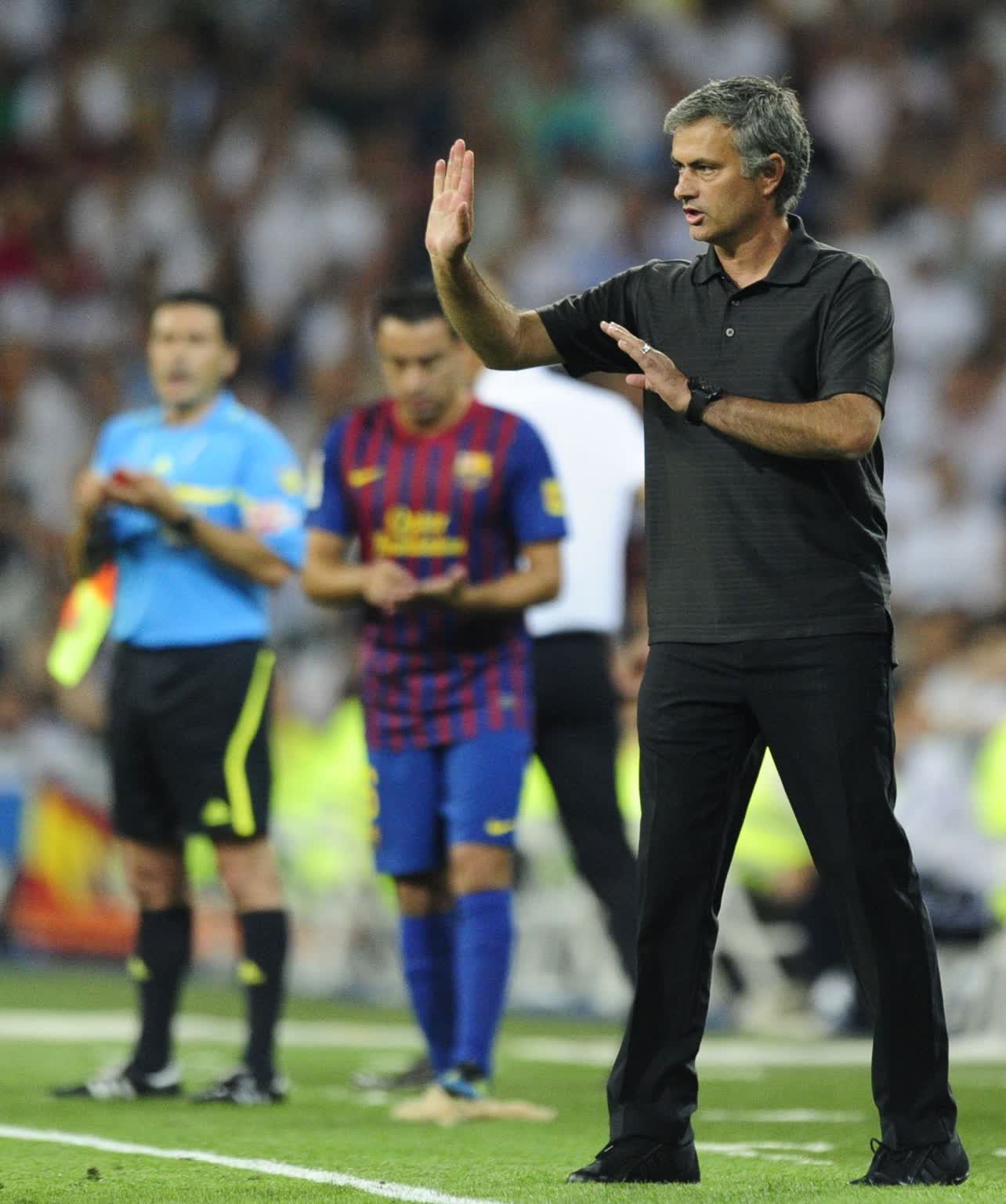
The Portuguese immediately transformed Madrid’s mentality.
For years, Barcelona had psychologically dominated Spanish football.
Mourinho changed that.
His Madrid side became physically stronger, mentally tougher and tactically more aggressive.
Furthermore, players such as Cristiano Ronaldo, Sergio Ramos, Xabi Alonso, Karim Benzema, Pepe and Mesut Özil developed into relentless competitors under his leadership.
Record-breaking La Liga triumph
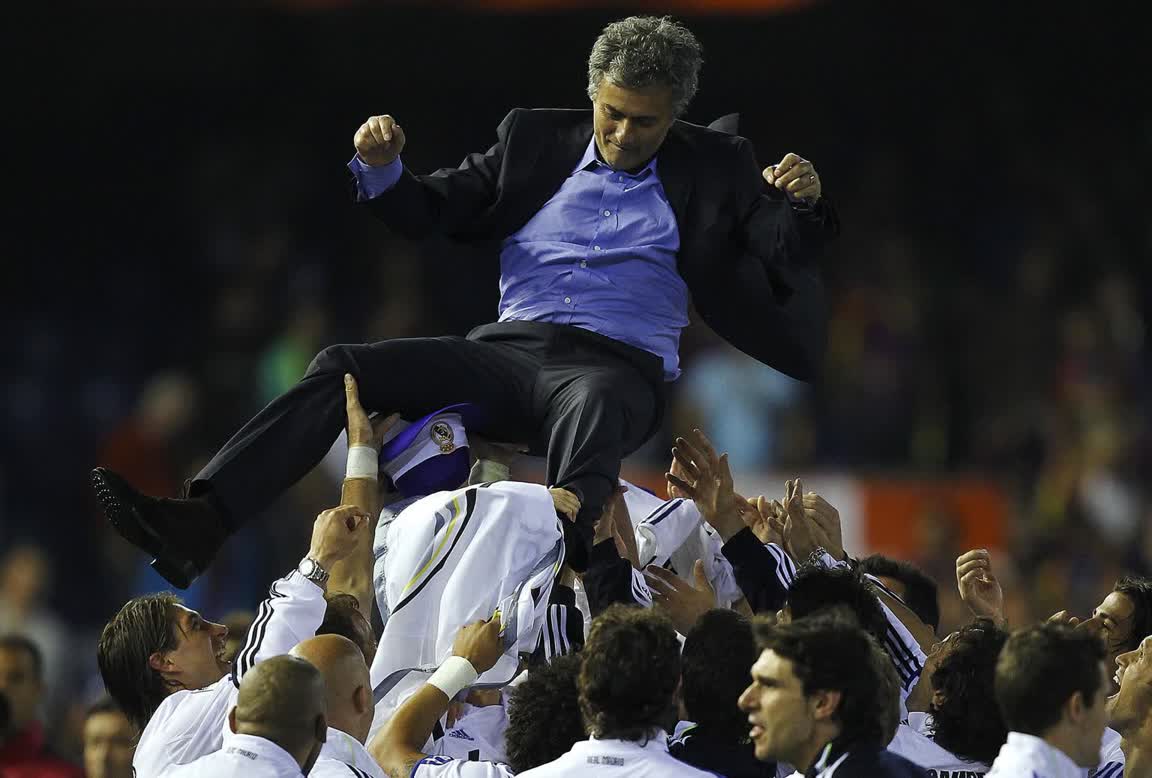
The highlight arrived in 2011/12.
Mourinho’s Madrid won La Liga with:
- 100 points
- 121 league goals
- 32 wins
All three records were extraordinary at the time.
Thus, many consider that side one of the greatest attacking teams in football history.
European revival
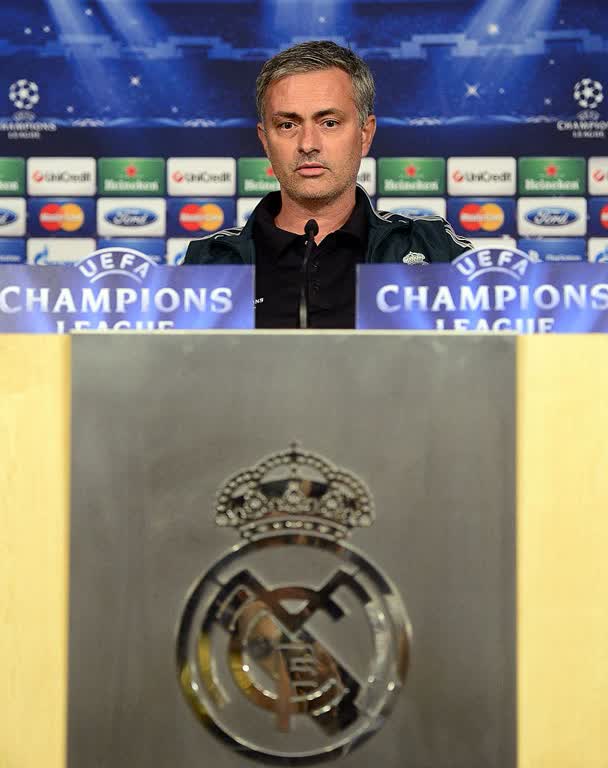
Although Mourinho never won the Champions League with Madrid, he restored the club’s credibility in Europe.
The club reached three consecutive Champions League semi-finals after years of underachievement.
Therefore, many observers believe Mourinho laid the psychological and tactical foundations for the Champions League dynasty that followed under Carlo Ancelotti and Zinedine Zidane.
The years away: Mourinho’s journey after leaving Madrid
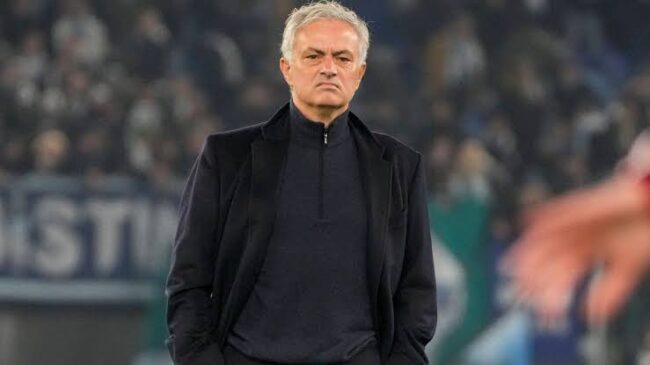
When Mourinho departed Real Madrid in 2013, he left behind a club transformed.
Although his tenure ended amid controversy, few could deny that he had restored Madrid’s competitive edge against Barcelona and re-established the club among Europe’s elite.
What followed was perhaps the most fascinating chapter of his managerial career.
Return to Chelsea: Completing unfinished business
Mourinho returned to Chelsea in the summer of 2013 determined to build a new dynasty.
Unlike his first spell, which was built around experienced leaders such as John Terry, Frank Lampard, Petr Cech, and Didier Drogba, his second Chelsea project focused on younger talents including Eden Hazard, Oscar, Willian, Thibaut Courtois and César Azpilicueta.
After a period of rebuilding, Chelsea won the Premier League title in 2014/15 — with Mourinho once again proving his ability to construct a championship-winning side.
However, football can be ruthless.
Only months after lifting the trophy, Chelsea endured a dramatic collapse. Results deteriorated, relationships became strained and Mourinho was dismissed midway through the 2015/16 season.
It was the first major setback of his managerial career.
Manchester United: Trophies amid turbulence
In 2016, Mourinho accepted arguably the toughest job in English football, becoming manager of Manchester United.
The club had struggled since the retirement of Sir Alex Ferguson, and Mourinho was tasked with restoring former glory.
His first season delivered immediate success.
He won:
- EFL Cup
- UEFA Europa League
- Community Shield
Most importantly, the Europa League triumph returned United to the Champions League.
His second season remains one of the most underrated achievements of his career. United finished second in the Premier League with 81 points despite facing a dominant Manchester City side managed by Pep Guardiola.
Mourinho famously described that runners-up finish as one of the greatest accomplishments of his managerial career.
Nevertheless, tensions eventually emerged. Disagreements regarding recruitment, squad quality and long-term planning led to increasing friction with the club hierarchy.
By December 2018, Mourinho’s tenure had come to an end.
Despite criticism, he remains one of the few post-Ferguson managers to deliver significant silverware at Old Trafford.
Tottenham Hotspur: The trophy that never came
In 2019, Mourinho surprised many by accepting the challenge at Tottenham Hotspur.
The appointment represented a departure from the traditional elite clubs he had managed throughout much of his career.
His mission was straightforward: transform a talented squad into winners.
There were encouraging signs.
Harry Kane and Son Heung-min formed one of Europe’s most devastating attacking partnerships under Mourinho, while Spurs briefly topped the Premier League during the 2020/21 campaign.
However, inconsistency proved costly.
Perhaps the most controversial moment arrived in April 2021 when Mourinho was dismissed just days before the League Cup final against Manchester City.
The decision denied him the opportunity to end Tottenham’s long wait for silverware and remains one of the most debated sackings in modern football.
Roma: Rebuilding his reputation
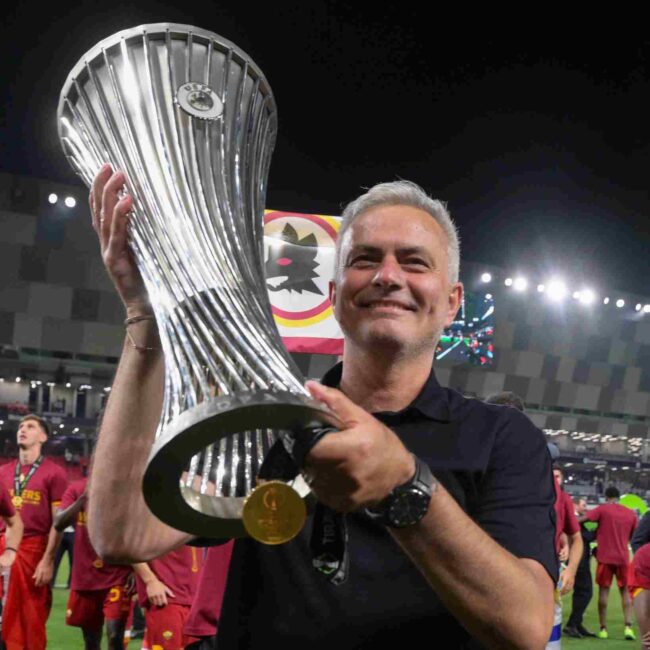
Following his departure from Tottenham, Mourinho moved to Italy and accepted the challenge of managing AS Roma.
Many observers questioned whether he could still compete at the highest level.
Yet, Mourinho responded in emphatic fashion.
In 2022, Roma won the inaugural UEFA Europa Conference League, giving the club its first major European trophy.
A year later, he guided Roma to the Europa League final, narrowly missing out on another continental triumph.
More importantly, Mourinho reconnected with many of the qualities that had made him special earlier in his career.
Likewise, Roma’s supporters adored him.
His passion, commitment and emotional connection with the fanbase restored much of the admiration that had faded during difficult spells in England.
Fenerbahçe: The Turkish adventure
After leaving Roma, Mourinho accepted one of the most demanding jobs in European football by joining Turkish giants Fenerbahçe.
The move surprised many, but Mourinho viewed it as an opportunity to compete for titles while experiencing a new football culture.
Hence, his arrival generated enormous excitement throughout Turkish football.
At Fenerbahçe, Mourinho demonstrated that his tactical adaptability remained intact. He combined experienced leaders with emerging talents and maintained the competitive edge that had defined his career.
Although Turkish football presented unique challenges, the experience further expanded his understanding of different footballing environments and reinforced his reputation as one of the game’s most travelled elite managers.
The brief Benfica return
Also, before returning to Real Madrid, Mourinho enjoyed a short but highly symbolic spell with Benfica — the club where his senior managerial career first began decades earlier.
The move was viewed by many as a sentimental homecoming.
Although the project was relatively brief, it allowed Mourinho to reconnect with Portuguese football and demonstrate that his influence remained significant in his homeland.
Additionally, the Benfica experience highlighted a more mature Mourinho — less confrontational than the fiery figure of the early 2000s but still fiercely competitive and driven by success.
How these experiences changed Mourinho
The Mourinho returning to Madrid is vastly different from the one who left in 2013.
He has managed in:
- Portugal
- England
- Spain
- Italy
- Turkey
He has won major trophies in every major league he has coached.
He has experienced triumph, failure, controversy and redemption.
Most importantly, he has adapted.
The younger Mourinho sought to dominate every battle. The modern Mourinho chooses his moments more carefully.
His tactical flexibility has increased, his understanding of squad management has evolved and his ability to navigate modern dressing rooms has improved significantly.
Therefore, Real Madrid are not simply bringing back a familiar face.
They are bringing back a manager enriched by more than a decade of experiences across European football, a coach whose journey has prepared him for what could be the final great challenge of an extraordinary career.
Why Real Madrid wanted Mourinho back
The answer lies in the events of the 2025/26 season.
Madrid endured a disappointing campaign that saw them:
- Fail to win La Liga
- Exit the Champions League in the quarter-finals
- Experience dressing-room tensions
- Undergo managerial instability following the departure of Xabi Alonso and the interim spell of Álvaro Arbeloa.
Florentino Pérez, freshly re-elected as president, believed the club needed a figure capable of restoring authority, discipline and winning standards. Mourinho quickly emerged as his preferred candidate.
Unlike many modern coaches, Mourinho thrives in crisis environments.
He embraces pressure.
He welcomes conflict.
Most importantly, he knows Real Madrid.
Mourinho’s tactical philosophy
Contrary to popular perception, Mourinho has never been solely a defensive coach.
His teams are pragmatic rather than defensive.
The objective is simple:
Control matches and exploit opponents’ weaknesses.
Defensive structure
Mourinho’s sides typically feature:
- Compact defensive blocks
- Aggressive pressing triggers
- Excellent transitional organisation
- Strong aerial dominance
His teams are difficult to break down because every player understands their responsibilities.
Rapid transitions
The hallmark of Mourinho’s greatest teams has always been devastating counter-attacks.
At Porto, Inter, Chelsea and Real Madrid, his sides attacked with speed and precision.
Rather than dominating possession for possession’s sake, Mourinho values efficiency.
Every transition has purpose.
Strong dressing room leadership
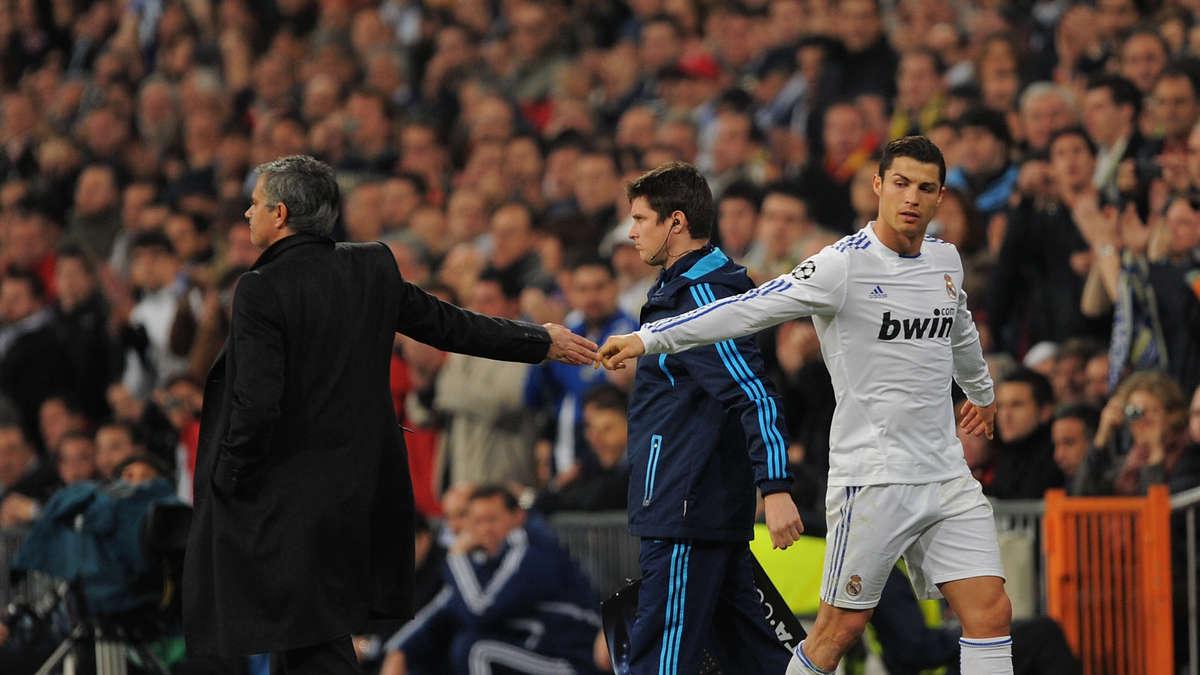
Perhaps, Mourinho’s greatest strength is leadership.
Players often describe him as:
- Demanding
- Protective
- Motivational
- Ruthlessly competitive
When a squad requires direction and accountability, few managers command respect like Mourinho.
The new Real Madrid Mourinho is building
Mourinho’s second Madrid project is already taking shape.
Reports indicate that Real Madrid have secured deals for:
- Ibrahima Konaté
- Denzel Dumfries
- Bernardo Silva
- Marc Cucurella
while Cucurella’s transfer has already been officially confirmed by the club.
These signings reveal Mourinho’s priorities.
Konaté: Defensive authority
Konaté provides:
- Physical dominance
- Recovery pace
- Leadership
- Aerial strength
A classic Mourinho defender.
Dumfries: Power and directness
Dumfries is exactly the kind of aggressive wing-back Mourinho has historically loved.
His athleticism will add a new dimension on the right flank.
Bernardo Silva: Intelligence and control
Bernardo offers:
- Creativity
- Press resistance
- Tactical flexibility
- Experience
His ability to operate in multiple midfield and attacking roles makes him a perfect Mourinho player.
Cucurella: Intensity and balance
The newly-signed Spanish international brings:
- Defensive work rate
- Tactical versatility
- Energy
- Experience
Mourinho specifically requested the move, seeing him as a reliable solution at left-back.
How Real Madrid could line up under Jose Mourinho
A likely Mourinho system could resemble a flexible 4-2-3-1.
Courtois
Dumfries – Konaté – Militão – Cucurella
Valverde – Tchouaméni
Bernardo Silva – Bellingham – Vinícius Júnior
Mbappé
This setup offers:
- Defensive solidity
- Physicality
- Tactical balance
- Explosive counter-attacks
Most importantly, it maximises the strengths of both Mbappé and Vinícius.
What to expect during Mourinho’s second spell
A more mature Mourinho
This will not be the Mourinho of 2011.
Age and experience have changed him.
While the intensity remains, he has become more adaptable tactically.
His recent teams have shown greater flexibility than many critics acknowledge.
Greater discipline
One of Mourinho’s first objectives will likely be restoring discipline.
Recent reports of squad unrest were a major concern for club leadership.
Excessive player power is a major concern in modern football, therefore, a character like Mourinho is needed to balance things.
Expect clearer hierarchies and greater accountability.
A team built for knockout football
Mourinho remains one of football’s greatest tournament coaches.
His teams are notoriously difficult to eliminate over two legs.
Given Madrid’s obsession with the Champions League, this quality was undoubtedly a major factor behind his appointment.
Immediate trophy expectations
Unlike many rebuilding projects, Mourinho will not receive years to develop.
At Real Madrid, success is expected immediately.
La Liga and the Champions League will be the minimum targets.
Anything less will invite scrutiny.
Conclusion: The final great challenge
José Mourinho’s return to Real Madrid feels like the reunion of two forces that shaped each other.
His first spell transformed Madrid from talented underachievers into relentless competitors.
Now, he returns to a club searching once again for direction, identity and silverware.
With Konaté strengthening the defence, Dumfries adding power, Bernardo Silva bringing control and Cucurella providing balance, Mourinho already possesses the foundations of a squad built in his image.
The challenge is immense.
The expectations are enormous.
But Mourinho has never feared impossible missions.
Thirteen years after leaving the Bernabéu, The Special One is back.
And football will be watching…